Hiring Excellence Framework in Action
Jim Miller and Anna Hall (Ashby TA) share real-world insights on transforming reactive recruiting into a strategic, data-driven talent acquisition engine.
Speakers


Overview
- Ashby's Hiring Excellence Framework
- The State of Ashby Hiring in 2023
- The State of Ashby Hiring in 2024 using the Hiring Excellence Framework
- A chat with Anna Hall - Ashby Recruiter
Transcript
Note: transcript is auto-generated, there may be typos.
[00:00:00] Jim Miller: Hiring excellence. We all aspire to it. Um, I dunno if, you know, we, we released the hiring excellence framework a couple of years ago now. Um, and that was like my first foray into this thought leadership thing of within the content marketing and so on. So we're gonna talk a bit about the framework. Took a bit about the journey that I've had since I joined Ash V in April, 2023.
Um, and utilizing the framework, putting it into action for our own company. And then I'm gonna bring Anna up, and Anna joined my team, um, almost a year after I did. And then her experience within the, the process that we built. And then we'll finish off with, uh, bringing Benji up. We'll run off and, and he'll close us out.
[00:01:00] Um, so the hiring excellence framework, to give you a brief recap, we spoke to, we spent thousands of hours talking to TA leaders. And the research showed us that everybody came back to these four core competencies, strategy and planning, candidate attraction, candidate evaluation, and stakeholder engagement.
They're at the core of the focus areas of what every TA team has. And then beyond these four core competencies, there are three pillars that the best teams always come back and anchor on. Continuous improvements, operational efficiency, and organizational agility. And in combination, reviewing your Audi, your organization against these core pillars, oh, sorry.
Core competencies and three pillars independently of each other, drives real insight and the potential for change. And the key element of this is that you don't have to be excellent at all of them. At the same time, you have to pick and choose. And as you do that through your own analysis, that's where you get the wins from this.
[00:02:00] So I use this Strat, this model all the time. I use it for strategy, for process design, even down to the job level. And this talk today brings together some of the details from the insights I've had at Ash V and from earlier in my career based on this framework. So I joined Ashby in April, 2023. And I used the framework.
And by the way, if you've got your news newspapers that you were given at the beginning, on the back page of that, you've got like a blank spread of the framework and you can take a copy of that and use that to write your own notes in. It's basically how I go about it. And I used this framework to assess where we were for TA at the time, and this is a snapshot of the situation, and I was the sole TA person at Ashby when I joined.
A couple of other different hats that I was wearing at the same time, and we were a hiring manager led recruiting model. We put the hiring manager at the center of hiring the workforce for the company. So they experienced the joy and the pain of using the product and they could reflect that back with their own teams.
[00:03:00] It's a critical piece that's still in play here at Ashby. So it's incredibly unique way of approaching hiring, and there was no one in TA before. Or, or when I joined. And we've also got these operating principles. You may have seen them on our website, heard them discussed, and operating Principle number five is we hire frustratingly patiently.
Now, I love this because to me this means I have a mandate for quality. I've got to focus on hiring the very, very best people. And remember the bit about you don't have to be excellent at everything. Well. I looked at the situation and where we were, and I focused on candidate attraction as being the core area to get drive to a solution to make some changes based on what we saw.
[00:04:00] So if we look at the four areas here, first of all, for strategy and planning, headcount tied to time-based plans. You heard me talk earlier if you were in the room. I hate quarterly plans because it's broken away from the business outcomes, and I wanted to bring that in. But we had a fantastically sustainable growth model.
Really sensible way of thinking about how to grow the company, especially in the lights of the macroeconomic environment at the time. An open headcount is the last resort to solve a problem, and I love that philosophy. The account attraction piece, very reactive sourcing, high agency usage. We got down into candidate evaluation.
There was only ad hoc review of resumes going on. Solid interview plans though they, they'd really built these out in advance and hiring should be hard. They recogniz that was recognized and, and proposed and, you know, the, the, we hire Frustratingly patiently was through throughout there. And then stakeholder engagement, like I say, it was hiring manager led recruitment, very high engagement.
[00:05:00] And that desire for the outcome to be high quality. I reviewed that whole operation and saw that need to optimize process to create some consistency was key. Uh, and so from the pillars perspective, I focused on continuous improvements. Um, and in effect what we created was what we now call the cohort hiring model.
And I'll go into a bit more details there, but we had high time to fill high attrition from some sources. There was no TA team. And then different hiring capabilities, depending on the team, depending on the maturity. Some people had a lot of experience in hiring and other hiring managers had very little, and they were being thrust into this recruiter role.
[00:06:00] So it's a very, very unique environment. Roll on about 18 months after I started, everything looks very different. First of all, I was no longer alone. Uh, Liz was in the team sourcing. Anna had joined the team on the recruiting side of things. And we'd approved across the board. Candidate attraction was now the real highlight, and what we built with this cohort hiring model was an omni-channel approach that drove not just high volumes of great candidates, but was creating pools of talent that enabled choice at the end of the process with choice being the biggest driver of quality.
So we can see the changes we've got revenues acting as a goal, as a trigger for headcount. Uh. Release, um, proactive sourcing and advance of roles opening rather than being reactive, consistent resume review, a ton of time savings and efficiencies. And this overall change focused mostly on non evergreen roles.
Remember, it was still a small company, so most of our positions hadn't got to the levels of volume to become evergreen. Um, we focused on reviewing every candidate. In the pool, regardless of source and using time to create boundaries to manage that application flow. You may have seen some of our job descriptions with, um, deadlines for application across the board, and that's what we call the cohort.
[00:07:00] I mean, Anna and I are gonna go into more details of this, but the typical process is long listing and shortlisting. We go slow at the beginning to go fast and only the very best candidates, regardless of channel, get into the calendars. For the interviews time available and the key piece is to create choice at the end of the process.
This slide shows a snapshot of that impact and it's not a static model. We're constantly refining, constantly iterating here, and we know we have to change. And as the company grows, as the the way that we need to hire or the way we need to scale, we keep coming back to the hiring excellence framework to really ground that change.
Anna, I'd love to bring you up to the stage now. Uh, and while you're coming up here and people are bringing chairs up, I've got a quote from a candidate. Anna is such a great rep for the company. Engagement with a recruiter is the shop window for any company and the level of transparency, knowledge, and the na.
[00:08:00] And then from one of my peers, Anna, your great work was highlighted in three separate conversations. Just today. Team members. Proactively shared what an effective TA partner you've been throughout. Come on over our hiring the last couple of months. Thank you for everything you do. Come and sit down.
Jim Miller: Did you bring my questions? I did. Oh, wonderful. Thank you. You're very welcome. I hate these card things. I'm gonna throw them away 'cause I keep talking with my hands. Oh my knees, I tell you. Alright Anna. What does cohort hiring mean to you?
Anna Hall: So I've been at Ashby about a year and a half. Um, and I describe cohort hiring as a structured recruiting model where we build the highest quality pipeline in a fixed period of time.
[00:09:00] Anna Hall: And then we are bringing that cohort, that group, that pipeline through each of our interview stages at the same pace. And the intention, which you mentioned earlier, is. To create choice at the final round because choice drives quality. This was new for me. I hadn't run a process like this before. Um, previously, I kind of always operate on, on what I would describe as a, a drip fed system of, of candidates.
Anna Hall: And so I would open a roll work really quickly to try to get somebody through the process. Um. But there's a lot of inefficiencies with that, right? Like maybe a source candidate is the first to enter the process. Great. We start to move them forward, then a referral comes in, and then they enter the process at a slightly different pace.
Anna Hall: Um, and then I have time to review some applications, find some qualified profiles, and they enter. Now I have three candidates at three different stages. That's context switching for hiring managers. Um, there's calendar inefficiencies with that. And then when you get that first candidate to the final round.
[00:10:00] Anna Hall: In my experience, and probably many of you guys here today, you have that moment of indecision from the hiring manager, right? And you're asked to keep the candidate warm. They're good, but are they great? Who else is in the pipeline? All of these things that, that we all know can happen. And I think that cohort hiring mitigates that indecision at the final round.
Anna Hall: Um, and so we spend more time building the pipeline. All candidates, all applications have an equal opportunity to move forward and enter the process. We also have visibility and transparency for hiring managers into the pipeline that kind of mitigates that indecision. Um, and I think fundamentally it, it creates a stronger candidate experience.
Anna Hall: We're able to move faster and I think it drives towards that quality.
Jim Miller: What were your first impressions, um, of the hiring process here at Ashby?
[00:11:00] Anna Hall: I, so I went through it as a candidate, right? I was a cold application in, into the role. When it got posted, um, I was surprised. It was really transparent and it was very structured and it was quite refreshing to be honest.
Anna Hall: You were, um, you were the hiring manager and you were very clear with me, this is the week we're doing this interview stage. This is the week I'll be reviewing assignments. Um, and I just knew exactly what to expect. So it kind of built the excitement for joining. Um. And when I did that, that feeling continued.
Anna Hall: I was like, wow, there's, this is a different way of thinking about things. Um, that's pretty cool to join a TA team who's thinking about things differently. Not to say I didn't have questions. Um, I don't know. I, I was like, does this work all the time? It can't, nothing works all the time. So what happens if it doesn't work?
Anna Hall: And how did you set expectations with me that were so clear and like kind of brought me along the journey? How do you bring hiring managers along with that? Um. And so as we were running the first cohort, there were also things I think that I had to unlearn from like just the way that I had done, done it for so many years.
[00:12:00] Anna Hall: Um, success at each of those stages can look a little bit different than what I had had gauged before. And I also think that pass through rates at the final round, I learned in my first cohort, uh, the expectation can be a little bit different.
Definitely. Yeah. It's. By its very nature, you should have a worse pass through rate at the final stage.
Not better. Right? But still you have a higher quality outcome and that feels very counter until you fully understand things. Yeah. When I, when I first pitched the models to Benji, he was like, Hmm, I, I think that's gonna extend time to fill. Uh, and I kind of pushed it and thankful that we went there, but at first glance, it can seem inefficient as a process.
Jim Miller: Um, how did, how did you feel about that?
Anna Hall: Yeah, I think that's a question that. A lot of new hiring managers asked as well was, well, okay, but if I can't just zip a candidate through really quickly, are we gonna lose great candidates? Is this gonna be inefficient? What happens? Um, and I think that the reality is that we can still move quickly.
[00:13:00] Anna Hall: What we do is, I mean, it's that phrase slow down to speed up. Yeah. Right. I think in, in the way that I had recruited in the past. There were so many inefficiencies that the process naturally took longer than cohort hiring does. What we do now is spend more time in that beginning moment, in the kickoff stage with hiring managers, building the pipeline, whether that's one week or two weeks, and I'm setting expectations accordingly, right?
Anna Hall: I, I can structure it and say to my hiring managers, it's posted this week. My recruiter screens will be this week. Plan for your interviews to be this week. Um. And it's really structured and organized, and once we enter the interview process, we're actually able to move much faster.
Things do go wrong every now and again.
Jim Miller: Um, how do you, how do you meet these moments?
[00:14:00] Anna Hall: Yeah. Things, things, things do go wrong, right? Recruit, recruiting is human centric and it always will be. Um, so we talk a lot. You hear this phrase, we talk a lot about choice at the final round. Part of that is also building in a little bit of a buffer. Things will go, will not go the way that you expected them to.
Anna Hall: So we have a little bit of a buffer built in, but we also also have Ashby, the tool. So we lean a lot into data early and often. And the way that the cohort works is that I will schedule my recruiter screens within, oh, ideally a week of each other, maybe seven to 10 days. Same with hiring manager interviews, same with assignments.
Anna Hall: So when we're looking at the data at the end of a round, it's like real time data. We can see all of the passthrough rates for that stage, um, and then we can make decisions. Are we on track for our projected hires that we needed from that cohort? If we are fantastic, I move it forward, I move on to something else.
[00:15:00] Anna Hall: If we're not, then that's the moment where we dive in and understand why. Um, and I think cohort hiring. Is flexible enough that we, we, we can change things if we need to. Right? We can add in additional sourcing, we can revise the job description if we realize we've been off base and repost and build a second cohort.
Yeah. Headcount planning is different within this model, and again, we touched on it a bit this morning. Um, tell me what's different about headcount planning
Anna Hall: A lot, and I really like this topic, um, we don't, at Ashby, we don't open all of our headcount on the first of the quarter. I know what my teams need to hire in that quarter, right?
Anna Hall: And you, I remember you explaining me this to me in the beginning and I was like, wow, I really like this. Um, so I know maybe, I know I have 10 headcount for the quarter for the teams that I'm supporting. I'm gonna look at previous hiring data and understand how long I need to build that pipeline. When did we get our source candidates?
[00:16:00] Anna Hall: How long did it take us? How long did we have the role posted to collect X amount of applications? And we kind of work through the channels. And then I work with the hiring managers to understand what I'm prioritizing amongst those, those 10 roles. Um, and then I get to calendar it out like week by week, almost to the day.
Anna Hall: And I get to work around things in the calendar, right? So if the hiring manager's gonna be on vacation for a week, I can plan posting around that. Um, if we're hosting our first user conference and most of our hiring managers are out, I can plan around that. Um. And so I would schedule it so that when the hiring manager is out, maybe the assignment is being sent out, candidates are working on that.
Anna Hall: The process is still moving. Um, and it gives me, I think all of us in recruiting at Ashby, it gives us a lot of autonomy, you know, to, um, to manage the workload. To push things forward but not feel overwhelmed.
It, it smooths your curve. So your main activities as a recruiter spread across the whole of the quarter rather than being front loaded.
Anna Hall: Yeah.
Jim Miller: Um, so overall, why cohort hiring? What's the ideal outcome?
[00:17:00] Anna Hall: Again, we talk about choice at the final round. Like that's the, that's what we're aiming for. My goal is to have a hiring manager say to me, Anna, there's mult like two candidates here, and this is gonna be a really hard decision. And I kind of go, ding, ding, that's excellent.
Anna Hall: We've done this very well. Um, and then what? In an ideal world, maybe we hire both. We've opened this headcount in February, it's now March. Maybe we have another headcount in Q2. We can pull that forward. That saves, you know, interviewer time, hiring manager time. It's a great candidate experience. If I can't pull it forward, maybe we can push out a start date, still extend the offer and have them start in Q2.
Anna Hall: I think we did both. We definitely did both of those things last year and I think we did. Five or six of those, um, which is like the epitome of, of efficiency, right? When you can hire multiple out of one cohort.
Jim Miller: And over the time you've been here, the product has really evolved quite dramatically. What's that journey been like as a recruiter?
[00:18:00] Anna Hall: A lot of fun. Um, I mean, the product moves quickly, right? Um, there were new features announced today that are, that are being worked on and launched, and I think all of those pieces. Build, um, efficiency into my day, they help me, quite frankly. I think they make me a better recruiter because I'm able to, to get time back and spend it on other kind of other more impactful places.
Anna Hall: Um, beginning, middle to end of my process. Right? Yeah. AI assist app review. I, I think maybe I talk about this a lot, um, but we get a lot of inbound, right? I think many people do these days. I had a role recently with over a thousand applications. And I reviewed those in less than a day. I looked at every single application.
[00:19:00] Anna Hall: It was organized, it was the same criteria for all applications. Um, and then I was able to move those forward. Um, we use all of the automation that we can build in to each of the interview stages, right? So I think a lot of what recruiters manage in working roles is like the mental load of having to remember to do things.
Anna Hall: Um. Yeah, did I remember to replace that interviewer who suddenly couldn't make it? Did I remember to send the prep document to the candidate? I turn on the automation for those pieces and I, and Ashby does the remembering for me, so I get time back.
And you're able to reinvest that time in higher quality outcomes.
Anna Hall: Exactly. Yeah.
Key Takeaways
- Choice drives hiring quality - Multiple qualified finalists eliminate hiring manager indecision and improve talent acquisition outcomes.
- Strategic timing beats reactive recruiting - Business-aligned headcount planning creates predictable talent pipeline management and operational efficiency.
- Process standardization reduces recruiting inefficiencies - Cohort-based interview scheduling eliminates context switching and creates consistent candidate experiences.
- AI amplifies recruiter productivity - Automated screening and workflow tools enable focus on high-value relationship building and strategic recruiting activities.
- Real-time data enables hiring optimization - Pipeline metrics and passthrough rate tracking allow immediate process adjustments and continuous improvement in talent acquisition.
Recommended Sessions
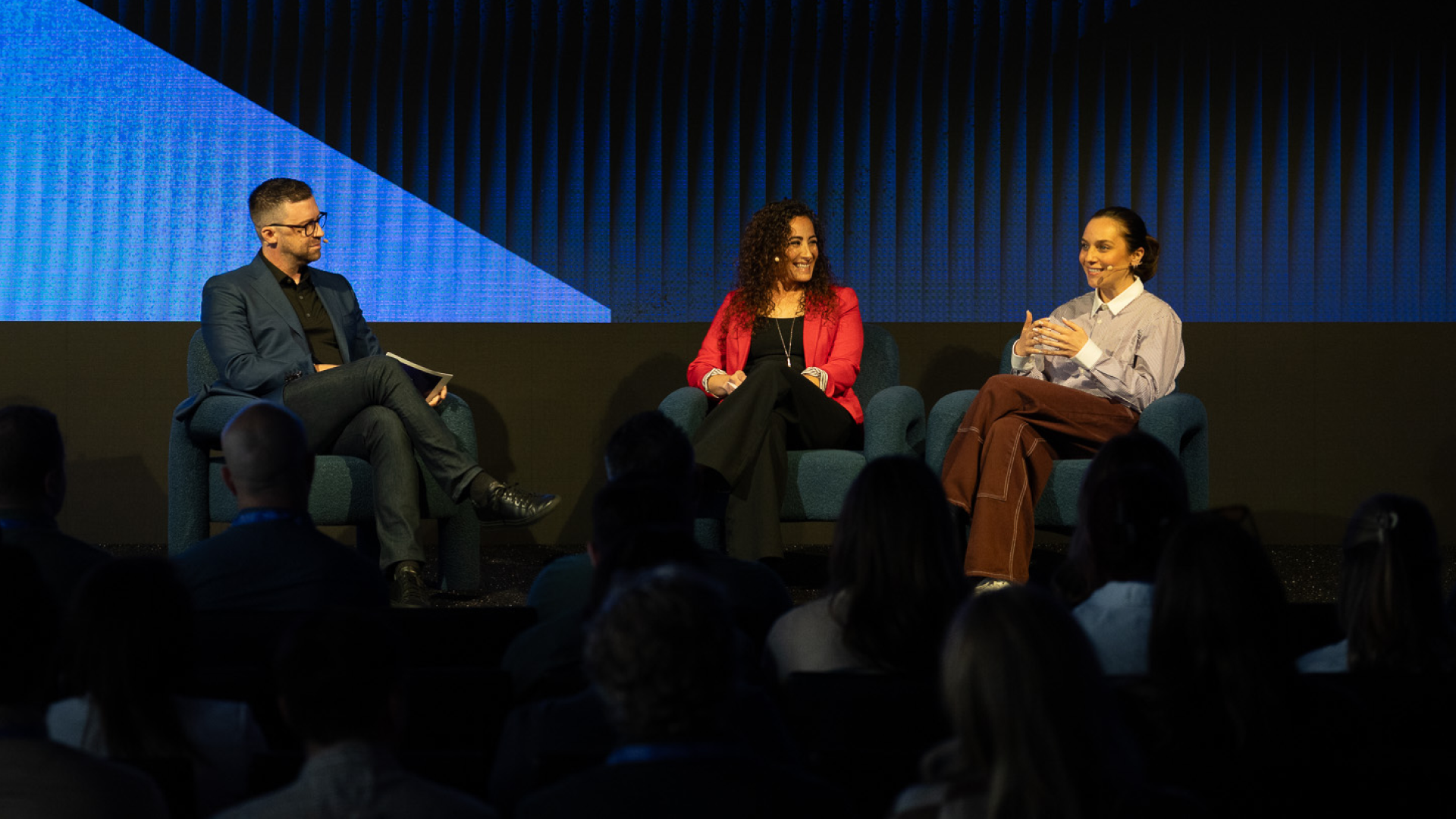
Hiring Excellence in 2025
Join executive leaders as they reflect their experiences growing talent orgs. From the increasing role of AI to the growing emphasis on Talent Ops to examining the aftermath of the hypergrowth era.
View session
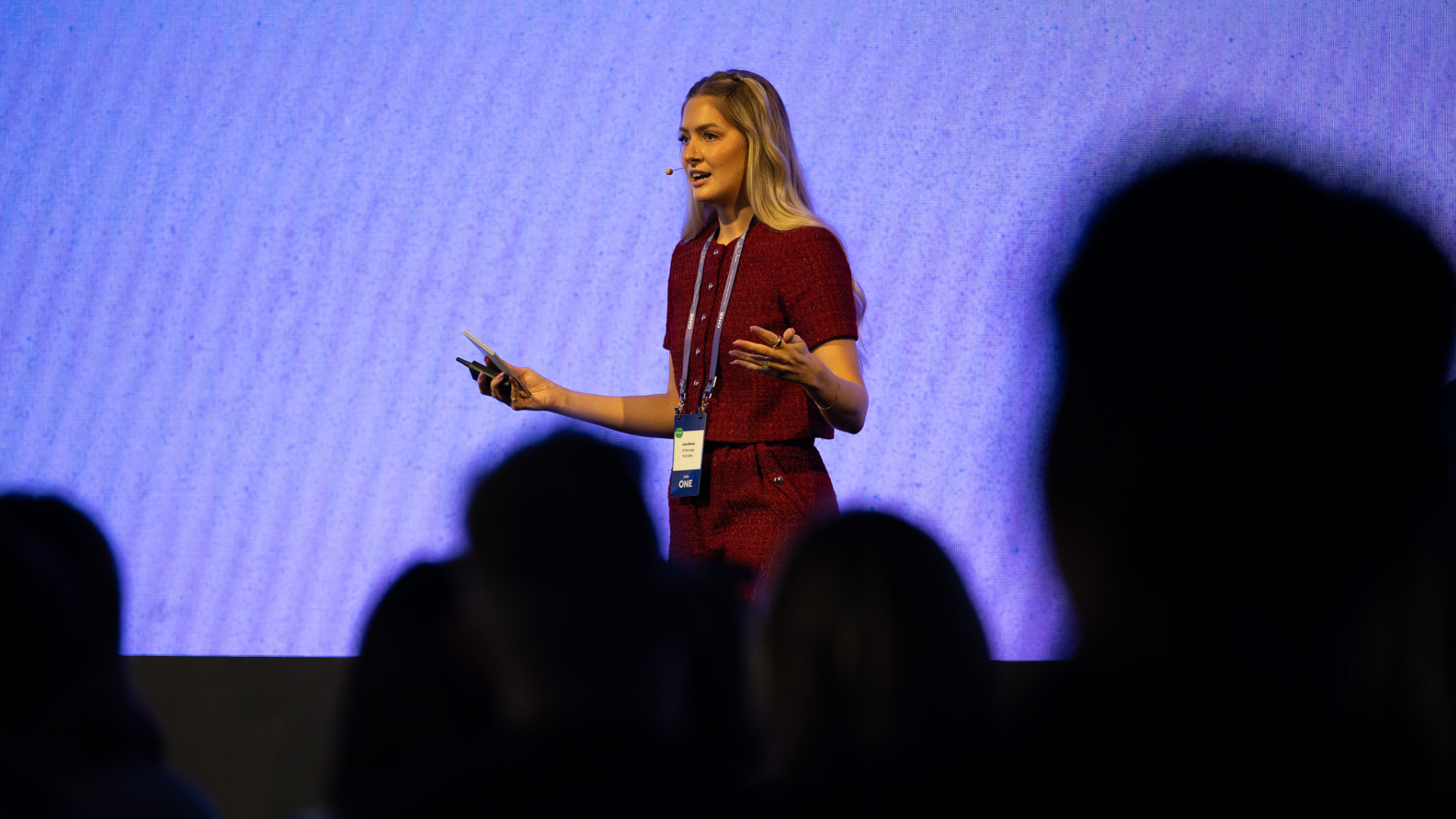
Measuring Talent Density with Quality of Hire
Join VP of Recruiting Laura Barnes as she walks through how Flock Safety went from manual tracking to a simple, automated process for measuring and actioning Quality of Hire data.
View session