Differentiating Candidate Experience Through Unreasonable Hospitality
About this Episode
Greg Marsh has spent 20 years scaling recruiting at some of the most demanding companies in tech, including Google, Square, Pinterest, and a range of high-growth startups. At Sierra as Head of Recruiting, he has helped the company grow from 25 to over 600 people in two years. In this episode, Greg shares the specific practices his team uses to create a 10 out of 10 candidate experience, how they have scaled those practices without losing their personal quality, and why he believes the human element in recruiting is the one thing AI cannot and should not replace. He also shares what he would tell his earlier self: invest in recruiting early, treat everything as an experiment, and do not let the pursuit of perfection slow your progress.
Topics
This Episode's Guest


Greg Marsh
Head of Recruiting @ Sierra
Greg Marsh is the Head of Recruiting at Sierra, where he has helped scale the company from 25 to over 600 people in just two years. With 20 years of experience in recruiting, he has led talent functions across some of the most demanding growth environments in tech, including Google, Square, Pinterest, and a range of high-growth startups spanning seed stage to IPO.
Takeaway 1
Make Candidate Obsession a Company Value 🎯
Customer obsession is one of Sierra's core company values, and Greg's team translates it directly into how they approach candidates. The goal is a consistent 10 out of 10 candidate experience as an operating standard because in a hyper-competitive AI talent market, that is one of the few things a recruiting team can fully control. Sierra may not always have the highest base salary, but they can control how every candidate feels from the first touchpoint to the final decision.
Why It Matters:
When budget and comp are constrained, teams that have named experience as a deliberate strategy have something to lean into that competitors may be underinvesting in. The way a candidate feels moving through your process shapes how motivated and aligned they are when they walk in the door as an employee, and that early momentum is something most teams leave to chance rather than design.
Quick Tips
- Translating an existing company value into a recruiting-specific version gives the team a standard they can actually hold themselves to. If your company already has a customer-facing value, find the candidate-facing parallel and make it explicit so it travels across the team and into every stage of the process.
- Focus energy on the levers you can control rather than the ones you cannot. When budget and comp are constrained, anchoring the team to experience as a lever keeps the work from feeling reactive and gives recruiters something meaningful to own.
- Measure candidate experience with the same rigor you measure hiring speed to create real accountability. Sierra tracks candidate NPS consistently and trends it over time, maintaining a score above nine out of ten, which surfaces patterns that help the team know what is working and where to adjust.
Takeaway 2
The Small Moments Are the Strategy 🍟
Sierra asks every candidate their favorite junk food during the initial screen. When they come onsite for an interview, that snack is waiting for them. A recruiter on Greg's team recently learned where a candidate was having dinner with their partner and sent a gift card to the restaurant before the offer decision. Another recruiter found out it was a candidate's birthday and sent a cake to their house. None of these gestures are expensive, but all are intentional. And though mentions of these gestures may not be front and center in candidate feedback, the feeling of being seen and heard is.
Why It Matters:
The snack itself is not the point. The snack is a signal that someone was paying attention, and a signal that pays dividends in hiring outcomes. The premise of Unreasonable Hospitality is that people may not remember every detail of a great experience, but they remember how it made them feel. That same principle runs through every touchpoint in a hiring process, and Greg has seen it contribute directly to accepted offers where Sierra was not the top comp offer on the table.
Quick Tips
- Building personalized gestures into the process infrastructure is what makes them scalable rather than dependent on individual initiative. Sierra uses a custom field in Ashby that prompts recruiters to ask about favorite junk food alongside standard questions like work authorization and in-office expectations, so the behavior becomes a system rather than a personality trait.
- Recruiting coordinators are often the most consistent face of a company throughout the interview process, and giving them ownership of these moments multiplies their impact. Investing in the coordinator role as a culture carrier rather than a scheduling function changes what candidates walk away feeling.
- Creating a visible feedback loop around candidate experience moments reinforces the behavior across the team. Sierra maintains a channel dedicated to calling out positive candidate experience and the recruiters behind it, which keeps the standard visible and gives the team a way to learn from what is landing.
Takeaway 3
Everyone Is a Recruiter 🤝
Greg tells his entire company this regularly. The interviewers, the hiring managers, the founders — they are all recruiters. A 10 out of 10 candidate experience cannot be delivered by the recruiting team alone, and the teams that try to carry it alone tend to cap out on what is possible. Some of Greg's favorite referrals come from candidates who were not hired or who turned down an offer but had a strong enough experience to send someone else Sierra's way, including a recent offer extended to a candidate referred by someone who had withdrawn from the process.
Why It Matters:
The way you treat a candidate who does not get an offer is a direct signal about what your culture actually values. Those people talk. They refer. They come back. And the interviewers and hiring managers who show up fully engaged during the process are not just evaluating candidates — they are closing them. The recruiting team sets the standard, but the experience a candidate remembers is often shaped most by the people they met in the room.
Quick Tips
- Frame candidate experience as a shared hiring outcome rather than a recruiting request, and it tends to land differently with the people who need to hear it most. Greg makes clear to his entire company that hitting hiring goals is not possible without interviewers and hiring managers showing up as full participants in the process.
- The post-offer period is an underused moment for the broader hiring team to reinforce the candidate's decision. Greg noted that candidates specifically called out things like founder follow-up emails and texts from interviewers after the offer was made as meaningful touchpoints that helped them feel certain about joining.
- Every candidate who does not move forward is still a potential advocate, and how you close that experience determines whether they become one. The referral pipeline that most teams want is often sitting inside the declined candidate pool, waiting on a better exit experience to activate it.
What Hiring Excellence Means to Greg
For Greg, hiring excellence comes down to three things held in balance: keeping the bar high, maintaining a consistent process, and delivering a standout candidate experience. Sierra's hiring philosophy is to look for people who are exceptional in ability and character, who are subject matter experts, and who are additive to the culture. The process has to evaluate for all of it, consistently, across every role and every market they are expanding into. As Sierra grows globally, Greg sees the candidate experience itself needing to localize, keeping roughly 80% core to Sierra's identity while leaving room for what resonates differently in London, Singapore, Tokyo, and beyond.
Greg's Recruiting Hot Take 🔥
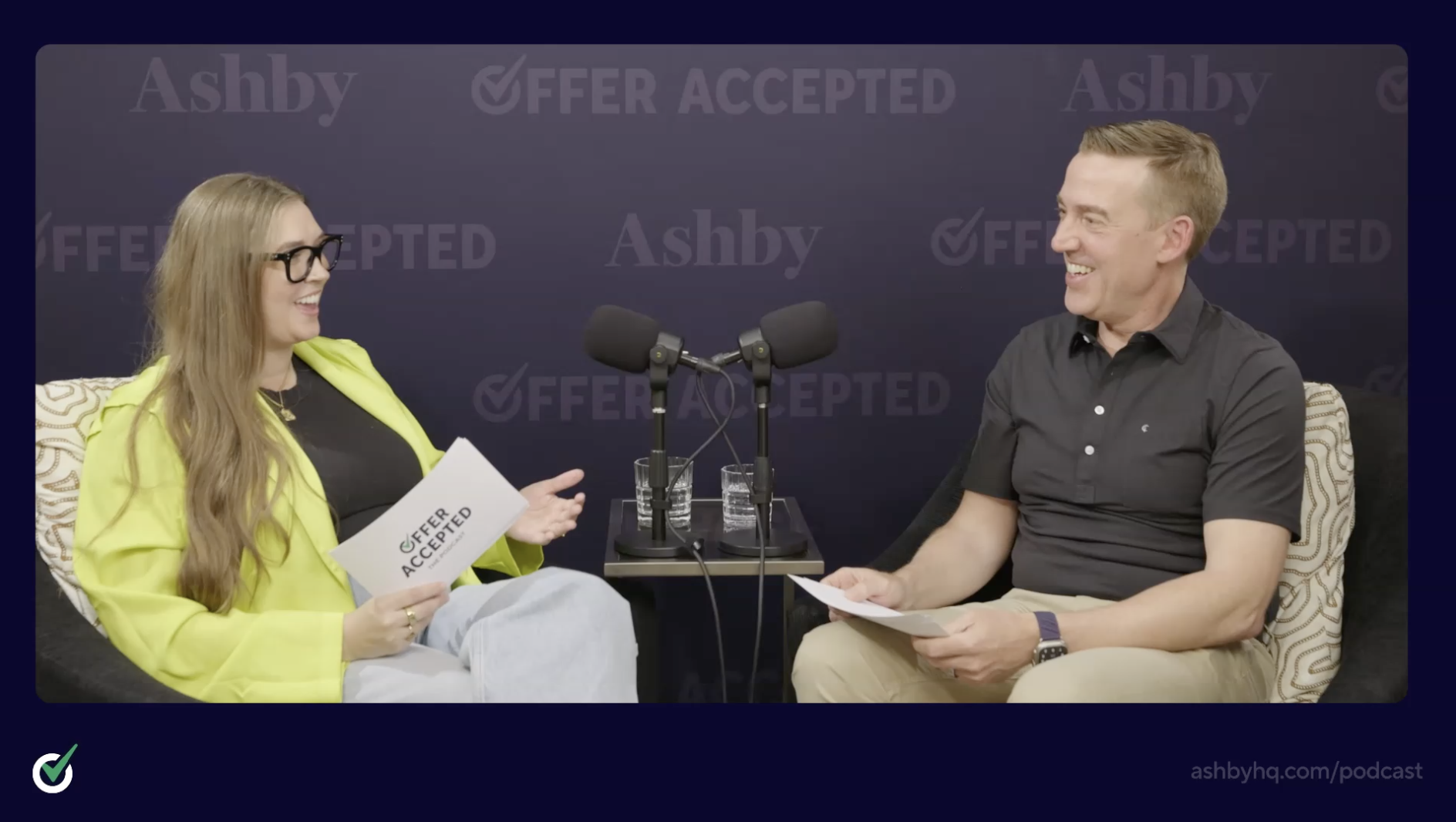
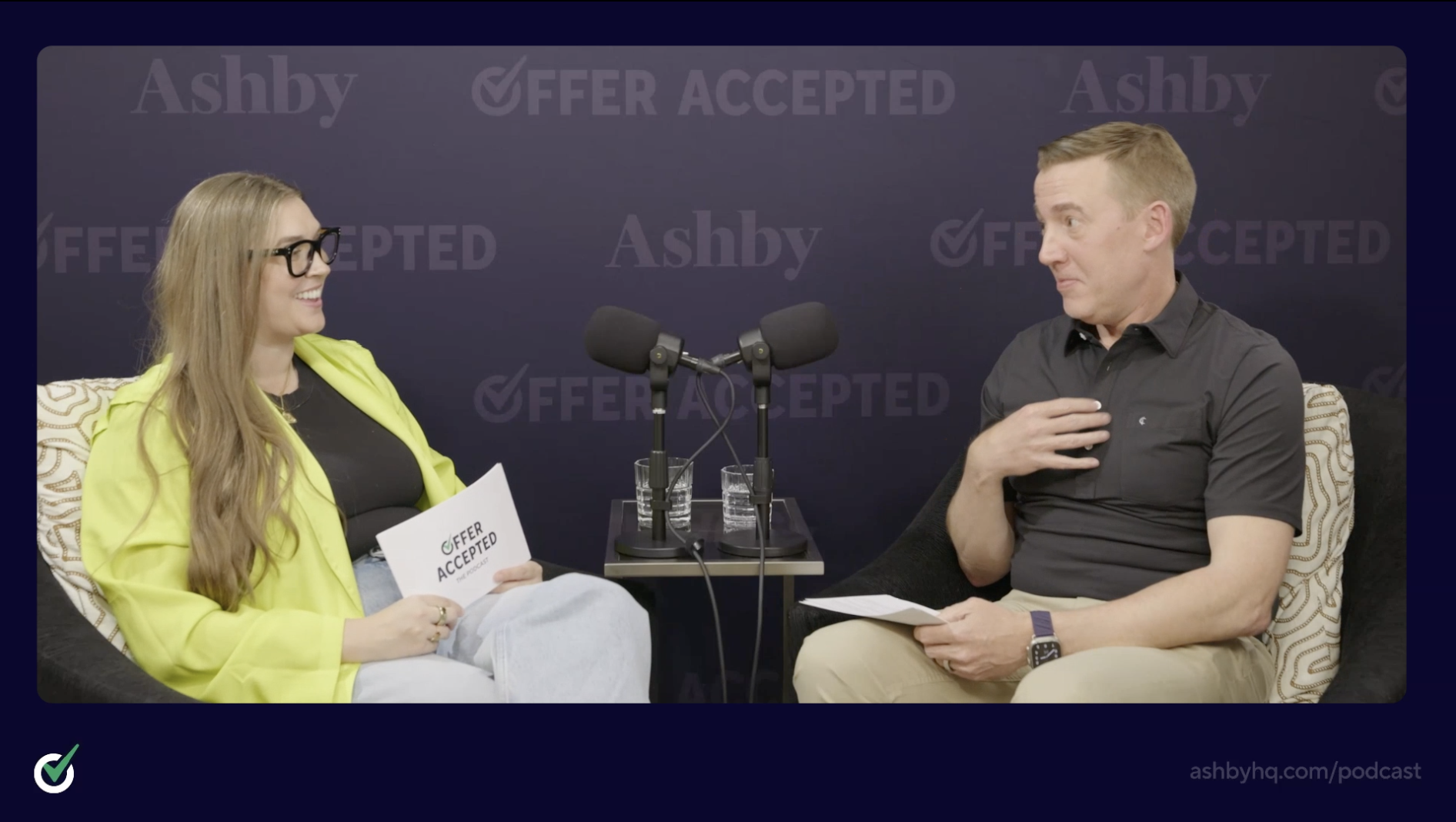
AI can be the best thing that ever happened to recruiting, or it can be the thing that breaks it. Greg sees real value in using AI to move faster and work smarter, but his concern is when both sides of the process lean too heavily on it and the human element disappears. Candidates feel like a number. Recruiters lose the thing that actually closes offers. His view is that personalization is job security for recruiters, because it is the one part of the process that AI cannot replicate, and the one thing candidates consistently point to when they say a company stood out.
Timestamps
(00:00) Introduction
(00:15) Meet Greg Marsh
(02:18) Why candidate experience matters in a competitive market
(04:00) Applying hospitality principles to recruiting
(05:30) Personalization through small candidate moments
(08:00) Balancing intensity and family in company culture
(12:30) Scaling candidate experience with simple systems
(16:30) Measuring candidate experience and NPS
(18:30) Why great candidates become your best referral source
(20:45) Adapting candidate experience across global teams
(23:00) Hiring excellence: Balancing bar, process, and candidate experience
(26:00) Recruiting hot take: AI needs a human touch
(30:30) Advice to early career self: Invest in recruiting early
(32:41) Where to connect with Greg

Other Episodes


Practical Ways to Manage Unplanned Headcount
In this episode of Offer Accepted, Tommy Hansen, Head of Recruiting at Juniper Square, shares how his small team hired more than 300 people in a year despite 40 to 60 percent of those roles being unplanned. He explains how redefining headcount, embedding recruiters in the business, and connecting hiring to OKRs helped recruiting secure resources, influence executives, and even close the company’s largest deal.

The Five Cs of Closing Candidates
In this episode of Offer Accepted, Harriet Walker, Head of Talent at Superseed VC, shares her 5 Cs of Closing: clarity, credibility, connection, continuity, and commitment. She explains why closing is not just an offer-stage event but a practice that should run through the entire hiring process. Harriet also shares practical strategies like checking in on compensation early, giving candidates a clear roadmap of the process, and treating reference calls as both diligence and closing opportunities.

Join the Hiring Excellence movement
New episodes every month - subscribe here so you never miss out.