Embedding Cultural Awareness to Strengthen Global Hiring
About this Episode
In this episode of Offer Accepted, Alex Corbin, Head of Talent Acquisition at Tabby, reflects on his experience leading recruiting across the UAE, Saudi Arabia, Egypt, and Europe. Alex shares how cultural awareness has become a foundation for global hiring success, guiding how teams communicate, build trust, and evaluate talent fairly.
He walks through Tabby’s journey of investing in local expertise, adapting to market expectations, and using data to uncover the “why” behind process outcomes. By connecting measurement with empathy, Alex shows how global hiring can scale without losing its human center, offering a model for how cultural understanding and data discipline can coexist to drive both trust and performance.
Topics
This Episode's Guest

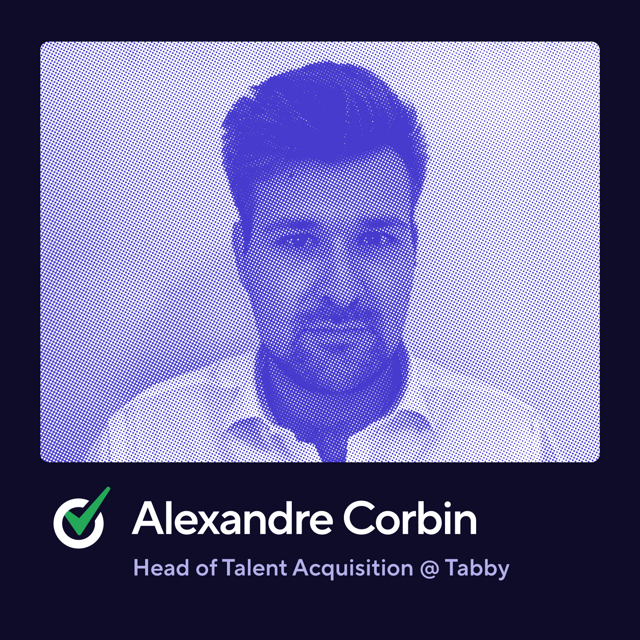
Alexandre Corbin
Head of Talent Acquisition @ Tabby
Alex Corbin is the Head of Talent Acquisition at Tabby, the Middle East’s leading fintech company. He has led recruiting across the UAE, Saudi Arabia, Egypt, and Europe, combining cultural awareness, operational rigor, and data-driven strategy to scale Tabby’s hiring globally. Alex’s approach emphasizes empathy, structure, and measurement, creating a hiring model that balances efficiency with meaningful candidate experience.
Takeaway 1
Local Expertise Is Non-Negotiable When Hiring Across Regions 📍
When Tabby expanded hiring in Egypt, the company moved fast to meet new market demand. At first, most hiring was handled remotely, which made it harder to read how candidates were interpreting Tabby’s story. Many wanted to understand the company’s long-term commitment to the region and sought reassurance about its presence in the market.
Bringing in Egyptian recruiters changed that immediately. They knew how to connect with candidates, how to communicate stability, and how to frame the opportunity in a way that felt authentic. Their insight reshaped the approach to talent outreach and reintroduced Tabby to the market with greater credibility and warmth.
Why It Matters:
Hiring locally builds cultural understanding into every stage of recruiting. Local recruiters see how your brand is perceived, know the communication styles that inspire trust, and help ensure your message aligns with what candidates value most. Their perspective turns hiring into a relationship-building process instead of a transactional one.
Quick Tips
- Hire local expertise early. Once Tabby added Egyptian recruiters, the team gained critical insight into how candidates perceived startup stability, what credibility looked like in the market, and how to build trust through local communication norms.
- Make your culture visible. Through the Life at Tabby Instagram, the team showcased the people, offices, and milestones that defined employee experience. The authenticity of those stories built trust and reinforced the company’s long-term investment in the region.
- Use local knowledge to expand your talent map. With regional experts in place, Alex’s team identified high-performing talent from industries outside traditional tech. That perspective helped Tabby find exceptional candidates in adjacent sectors where technical skill sets translated well, creating a broader and more resilient hiring pipeline.
Takeaway 2
Define What Flexes in Your Process and What Stays Firm in Multicultural Hiring 💪
As Tabby grew across new markets, Alex and his team focused on where the hiring process should adapt and where it needed to stay consistent. In markets like Egypt and Saudi Arabia, personal connection and relationship-building played a bigger role, while in Europe, conversations tended to be more formal and structured. The team learned that cultural preferences shape how candidates engage, but fairness and evaluation quality must always remain steady.
Why It Matters:
Consistency builds trust internally because teams know the process is equitable and repeatable. Flexibility builds trust externally because candidates feel respected and understood. Defining both creates an experience that is inclusive, fair, and aligned with company values.
Quick Tips
- Protect your hiring foundations. Tabby keeps structured scorecards and evaluation criteria consistent across markets so every candidate is assessed through the same lens and quality remains steady.
- Adapt to cultural expectations thoughtfully. In Saudi Arabia, Alex’s team noticed that some candidates preferred in-person interviews or felt more comfortable leaving cameras off. Allowing those preferences helped create trust without changing how candidates were evaluated.
- Record and share local learnings. After each hiring cycle, the team talked through what worked in each market and noted what to adjust next time, keeping the process fair while continuing to strengthen connections with candidates.
Takeaway 3
Use Funnel Data to Explore Why Candidates Disconnect from the Process 🕵️
Alex’s team treats data as a signal for discovery. When only 20-30%of candidates in Cairo were completing online assessments, it prompted a closer look at what was driving the drop-off. Conversations with candidates revealed access issues and uncertainty about legitimacy. In response, Tabby introduced in-person recruitment centers equipped with laptops and reliable internet. Within weeks, participation rose to 80 percent and candidate feedback improved.
Why It Matters:
Data highlights what is happening, but understanding why requires human input and problem solving. Combining both helps recruiters pinpoint barriers that affect candidate trust and make thoughtful adjustments that improve access, transparency, and overall experience.
Quick Tips
- Track funnel metrics by market. Alex’s team monitors completion and pass-through rates across regions to spot where candidate engagement dips and identify which parts of the process may need review.
- Talk to candidates when numbers change. When completion rates fell in Cairo, the team spoke directly with applicants to learn that device limitations and internet reliability were the main obstacles, giving them the insight needed to act quickly.
- Translate insights into action. Opening in-person assessment centers in Cairo removed those barriers and showed candidates that Tabby listens and adapts, rebuilding trust and raising participation almost immediately.
What Hiring Excellence Means to Alex
For Alex, Hiring Excellence means achieving quality, speed, and experience together. It’s a data-informed and human-centered process where candidates feel respected, hiring managers trust the outcomes, and the business grows with clarity and confidence.

Alex's Recruiting Hot Take 🔥
Most companies don’t have a hiring problem, they have a measurement problem. Until organizations treat hiring metrics with the same precision as product or sales data, they will keep relying on assumptions instead of insight. The teams that master measurement will be the ones defining hiring excellence in the next decade.

Timestamps
(00:00) Introduction
(00:33) Meet Alexandre Corbin
(01:46) How culture shapes every part of hiring
(04:12) Why Tabby hired local recruiters early
(07:58) Understanding employer reputation in the market
(08:53) Rebuilding trust and employer brand in new markets
(11:27) What changes and what stays the same
(13:47) Adapting interviews for cultural expectations
(16:44) Using cNPS scores to shape strategy
(19:58) What funnel data reveals about cultural mismatch
(22:56) The results of changing the candidate journey
(26:55) What hiring excellence means to Alexandre
(28:18) Alexandre’s recruiting hot take
(30:24) Advice Alexandre would give his early-career self
(35:19) Where to connect with Alexandre

Other Episodes

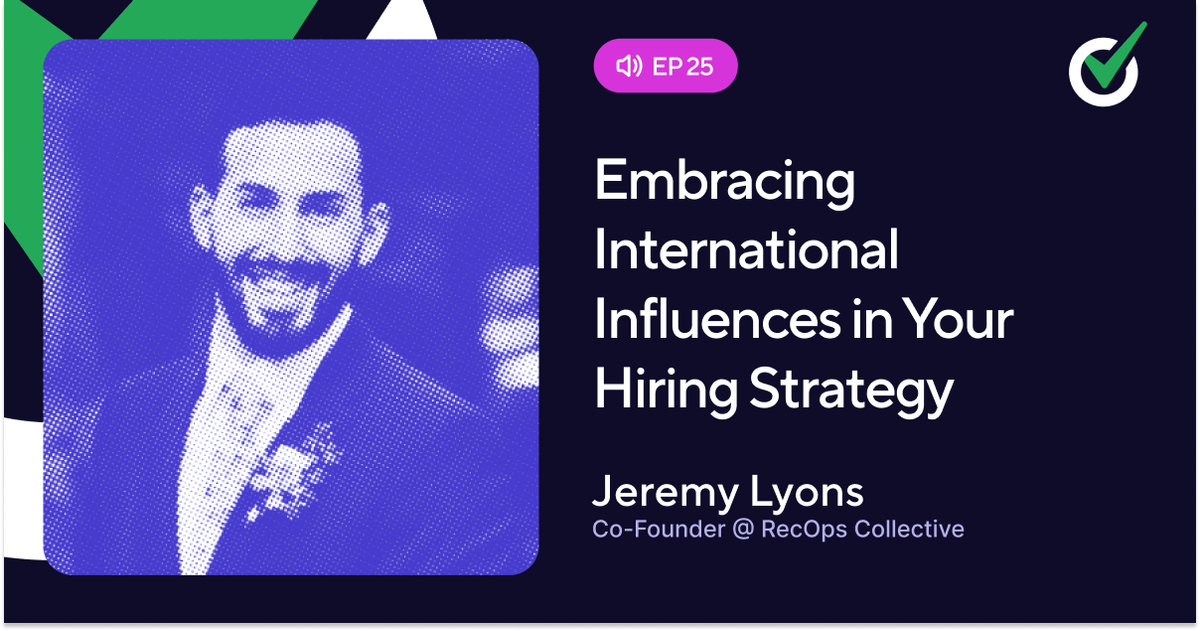
Embracing International Influences in Your Hiring Strategy
In this episode of Offer Accepted, Shannon Ogborn sits down with Jeremy Lyons, Co-founder at RecOps Collective. The conversation focuses on how to leverage international influences to build an inclusive and effective hiring process.
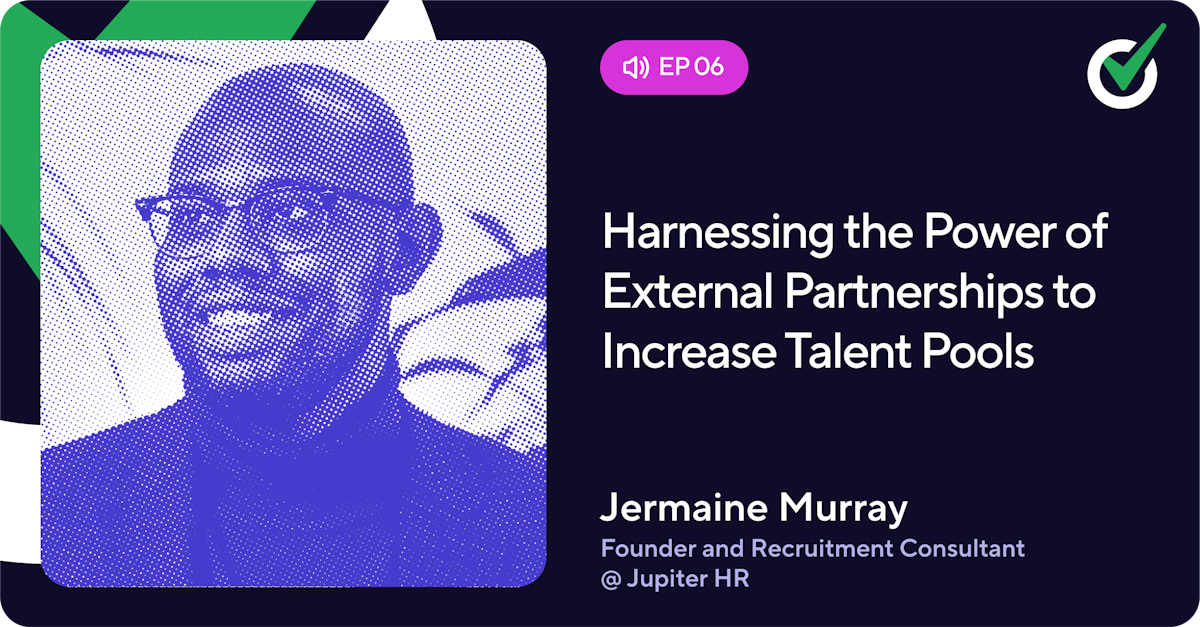
Harnessing the Power of External Partnerships to Increase Talent Pools
In this episode of Offer Accepted, Shannon Ogborn sits down with Jermaine Murray, the Jobfather and founder of Jupiter HR. Murray's firm is a powerhouse in the HR world, offering career coaching, recruitment services, and HR advisory consultation. The mission? To boost the representation of black talent within the tech industry.

Join the Hiring Excellence movement
New episodes every month - subscribe here so you never miss out.