Converting People Ops Insights into Talent Strategy
About this Episode
When talent and people ops don't share information, both functions are operating with a partial picture, and hiring decisions, forecasts, and candidate experiences all reflect that gap. This episode explores what it looks like to actually close it, the data that's worth sharing, the relationship structure that makes sharing possible, and the accountability that follows when both teams are looking at the same thing. Asha Beirne sits at the intersection of people and talent in a way that gives her a rare view into what each function needs from the other, and this conversation gets practical about how to build the feedback loop that most organizations are still missing.
Topics
This Episode's Guest


Asha Beirne
Senior Manager of People Operations and Systems @ Rula
Asha Beirne is Senior Manager of People Operations and Systems at Rula, where her team owns the operational side of the people function across systems, data, and compliance. She came up through recruiting operations before transitioning to people ops through an HRIS implementation that became a permanent move, and she credits an earlier stint in the Peace Corps with building the project management and influence skills that have followed her ever since.
Takeaway 1
The People Data Recruiting Needs Is Already in the Building 📊
When Asha moved from recruiting operations to people ops, she found that the forecasts she had been building on the talent side were working from an incomplete picture, not because the data didn't exist, but because no structure existed for sharing it. Early tenure turnover trends, engagement survey scores that could sharpen how recruiters tell the company story to candidates, performance data that could close the loop on hiring decisions: all of it was sitting in people ops and none of it was making its way back to the team that needed it.
Why It Matters:
Recruiting teams operating without post-hire data are making decisions based on a partial view of what's actually working. The information that could sharpen sourcing strategy, improve interview design, and make attrition forecasting meaningfully more accurate already exists inside most organizations. The question is whether the relationship and the infrastructure are in place to use it.
Quick Tips
- Start by identifying which data points would change how recruiting operates if they had access to them. Asha flagged early tenure turnover and engagement scores as high-leverage starting points, noting that engagement scores in particular give recruiters a more credible and specific way to tell the company story during the hiring process.
- Aggregate and anonymize before sharing. Sensitive data doesn't have to stay locked away entirely. Sharing it at the right level of aggregation, with context about what it does and doesn't mean, gives recruiting the signal they need while keeping the people function in compliance.
- Treat data sharing as a two-way exchange. Recruiting has forecasting instincts and pipeline visibility that people ops benefits from too. Asha brought a recruiting-style approach to attrition forecasting when she moved to the people side and found it improved their planning in ways the team hadn't had access to before.
Takeaway 2
Structure the Relationship Before You Share the Data 🤝
The data conversation only works if the relationship underneath it is real. At Rula, Asha and the recruiting operations team moved from ad hoc communication to a biweekly standing meeting, and that shift changed what was possible. It created space to surface issues before they became problems, to find the overlap neither team had named yet, and to build the kind of mutual understanding that makes data sharing feel useful rather than exposing. One early outcome of that partnership was bringing the voice and preparation mindset that recruiting uses with candidates into the onboarding communications that people ops owns, a change that produced a measurable improvement in new hire survey scores.
Why It Matters:
The talent and people functions often sit closer together on an org chart than they do in practice. Without a regular rhythm, the communication that does happen tends to be reactive, solving for emergencies rather than building toward something. A structured relationship is what turns good intentions into actual feedback loops.
Quick Tips
- Start with a standing biweekly meeting and treat consistency as the goal more than frequency. Showing up regularly is what allows both sides to move past surface-level coordination into the kind of conversation where patterns get named and improvements actually happen.
- Look at onboarding communications as an early place to align on voice and experience. The handoff between recruiting and people ops is often where tone and energy drop off, and that gap is more visible to new hires than either team realizes. Asha used AI to help create consistency across recruiting and onboarding communications, bringing the warmth and preparation mindset of the recruiting process into the emails and touchpoints that people ops owns, and new hire survey scores moved as a result.
- Use the recurring meeting to surface what each function didn't know it needed. Some of the most valuable outcomes from Rula's partnership were things neither team knew to ask for at the start, and those discoveries only happened because the relationship existed to make them possible.
Takeaway 3
Shared Accountability Starts with Shared Information 🔄
One of the metrics Asha introduced at Rula was a turnover figure specifically for employees with less than one year of tenure, tracked and shared with the recruiting team on a regular cadence. The goal was to understand whether patterns existed worth correcting for, knowing that over-correcting in response to data that doesn't represent a real trend can be as costly as ignoring the data entirely. Early tenure turnover can reflect a hiring decision, an onboarding failure, a manager dynamic, or something entirely outside anyone's control, and being able to distinguish between those scenarios requires the kind of ongoing conversation that most teams aren't having yet.
Why It Matters:
Collective accountability between talent and people only works when both teams are looking at the same information and have agreed on what it means. The recruiting team that understands why people leave in their first year is in a fundamentally better position to make good decisions about who they bring in.
Quick Tips
- Share early tenure turnover data on a six-month cadence rather than monthly. Six months gives enough time for meaningful patterns to emerge without surfacing noise that sends the team chasing the wrong problems.
- When something surfaces, start by asking whether the departure was regrettable or non-regrettable before deciding how to move. That framing shapes everything that follows, including whether action belongs in recruiting, in org design, or with a specific hiring manager.
- Build toward connecting performance data to interview process data. Asha identified this as the next frontier for Rula, marrying post-hire performance signals with what happened during the hiring process to understand which indicators actually predict success. That correlation work is where the feedback loop becomes most powerful.
What Hiring Excellence Means to Asha
For Asha, hiring excellence is about growing two things in parallel: the technology and AI capabilities that allow teams to work at scale, and the relationship-building and influence skills that no tool can replicate. She sees those as genuinely interdependent, and the teams that invest in both are the ones positioned to hire well as the environment keeps shifting.
Asha's Recruiting Hot Take 🔥
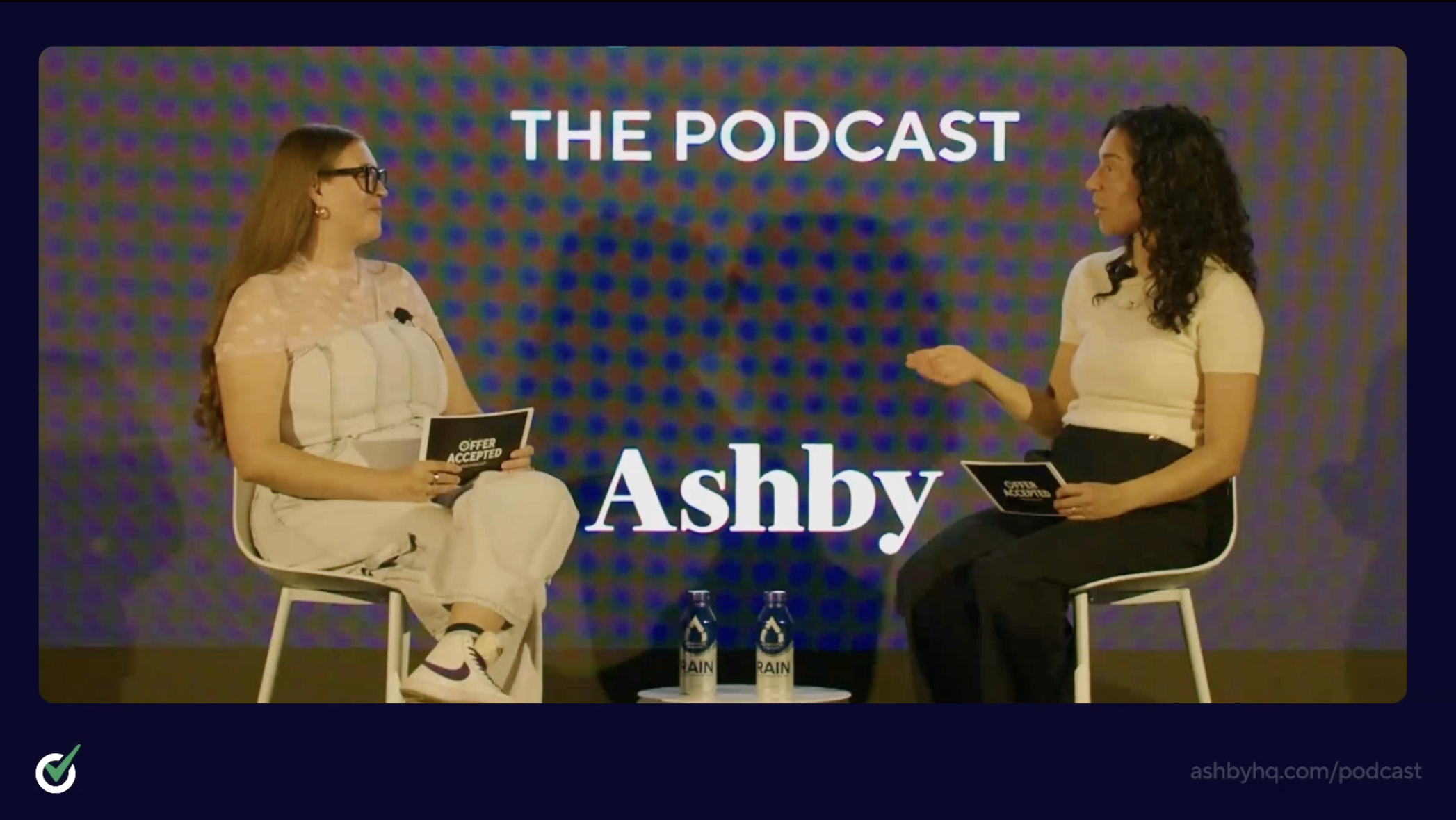
Recruiting teams are already exceptional at building relationships. They do it with candidates, hiring managers, and stakeholders as a matter of course. Asha's take is that the relationship with people ops is simply the next one to build, and the skills to do it are already there. You just have to extend them in a direction that most teams haven't thought to look.
Timestamps
(00:00) Introduction
(00:43) Meet Asha Beirne
(01:44) Why People and Talent teams need stronger partnerships
(03:00) The People Ops data recruiters should advocate for
(05:29) Using early turnover to improve hiring conversations
(06:37) Forecasting attrition with a fuller People Ops picture
(08:39) Closing the gap between offer acceptance and onboarding
(10:12) Creating a regular operating rhythm between Talent and People Ops
(12:34) Using AI to reduce workload and create space for partnership
(15:33) Balancing compliance, speed, and candidate experience
(17:00) Connecting performance data to quality of hire
(20:40) Hiring excellence: Pushing for growth in AI and tech
(21:44) Recruiting hot take: Go slow to go fast
(24:08) Advice to earlier career self: Say yes to experiences
(25:48) Where to connect with Asha

Other Episodes

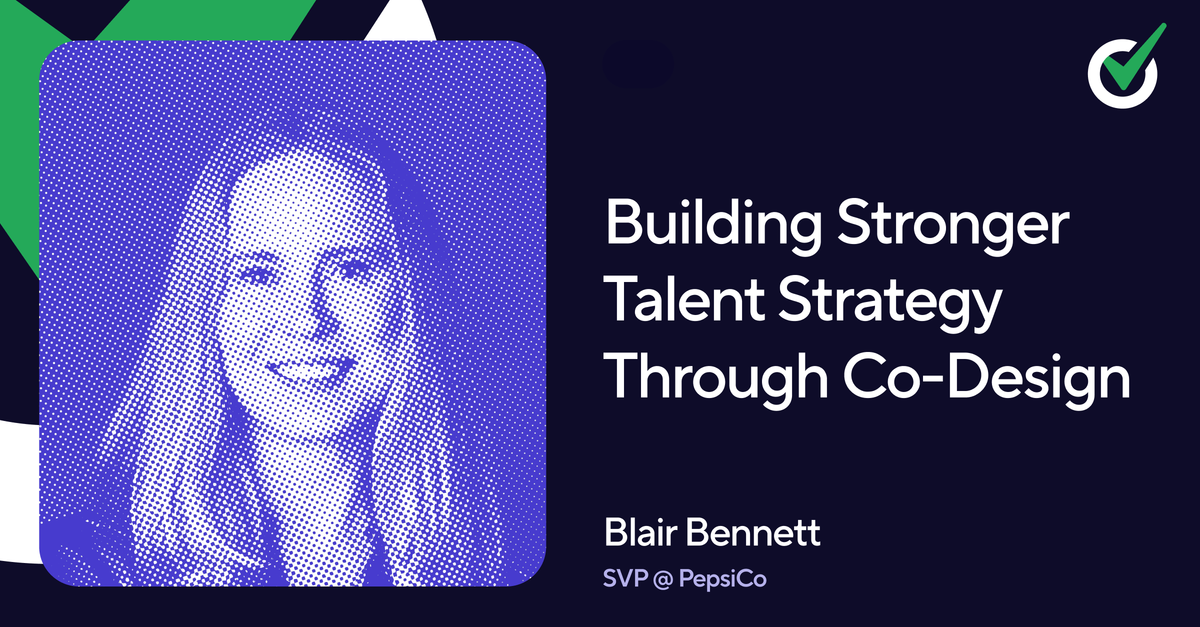
Building Stronger Talent Strategy Through Co-Design
In this episode of Offer Accepted, Blair Bennett, SVP of Global Talent Acquisition at PepsiCo, shares how co-designing with the business leads to better outcomes for recruiters, hiring managers, and candidates alike. Shannon and Blair talk through the process of building a global interview framework and how involving stakeholders early drives buy-in and builds credibility. Whether you’re designing at scale or just starting to introduce new systems, this episode offers tactical insight into how to lead change through collaboration.
Taking your Sourcing Strategy Outside the "Office"
In this episode of Offer Accepted, Shannon Ogborn sits down with Kristi Kennebrew, Talent Attraction at Get Me Hired Kristi. The conversation focuses on how to leverage conferences, and other IRL events in your sourcing strategy.

Join the Hiring Excellence movement
New episodes every month - subscribe here so you never miss out.