Measuring Recruiter Feedback to Drive Process Improvement
About this Episode
In this episode of Offer Accepted, Will Ducey, Head of Recruiting Operations at Ashby, shares how quarterly recruiter surveys transform recruiting from a reactive function into a strategic one built on trust and continuous improvement. With nearly a decade of helping remote-first companies scale sustainably, Will has made recruiter surveys one of his first initiatives in several RecOps roles he's held.
He walks through how surveys give every recruiter a voice, prevent the loudest complaints from defining reality, and create objective data that reveals what's actually broken versus what's working. We explore the one-to-four scale Will uses to measure time allocation across every stage of the recruiting process, how he reviews qualitative feedback collaboratively, and why trust compounds when teams see their feedback turn into tangible change.
Topics
This Episode's Guest


Will Ducey
Head of Recruiting Operations @ Ashby
Will Ducey is the Head of Recruiting Operations at Ashby, where he builds systems and processes that empower recruiting teams to scale sustainably. With nearly a decade of experience helping remote-first companies hire smarter, Will is a firm believer in first-principle thinking and challenging assumptions that hold teams back. Before transitioning into recruiting operations, he led global recruiting efforts and developed a deep understanding of what recruiters need to be successful. His work focuses on creating frameworks that eliminate hiring debt, building trust through transparent feedback loops, and ensuring the right tooling and infrastructure are in place to support high-performing talent teams.
Takeaway 1
Transform Recruiter Feedback Into Shared Problem-Solving 🎯
Surveys do more than surface pain points. They give every recruiter a voice and prevent the loudest person from defining reality. When feedback is transparent and discussed openly, it shifts the team dynamic from individual complaints to collective problem-solving. Teams begin to see patterns they couldn't spot in isolation, and people who excel in certain areas step up to mentor others.
Why It Matters:
RecOps and talent leaders often operate on assumptions and anecdotes rather than objective data. Without structured feedback, whoever complains most frequently ends up shaping priorities. Surveys neutralize that bias by creating a baseline that shows where recruiters are struggling and where they're thriving. Recruiter satisfaction shapes candidate experience and hiring manager trust in ways that compound over time. When your recruiting team is drowning in application review or burning hours on administrative tasks, those inefficiencies ripple across every hire. Surveys reveal patterns that individual conversations miss, and when the team sees their feedback reflected back and acted on, trust in leadership grows organically.
Quick Tips
- Start with anonymous surveys if trust hasn't been established yet, then transition to non-anonymous once the team sees feedback leads to action. Anonymity can be helpful early on so people aren't afraid to speak their truth. As the culture matures, non-anonymous surveys create more accountability and allow for deeper follow-up conversations. The goal is honest feedback, not fear of retribution.
- Use surveys to identify mentorship opportunities within the team. When results show that some recruiters are excelling in areas where others struggle, bring those strengths into team discussions. This creates space for peer-to-peer coaching rather than leaving RecOps to solve every problem alone. The team becomes a resource for itself.
- Make qualitative feedback visible and collaborative by putting it in a shared document where you comment, ask clarifying questions, and identify quick wins. Opening up all qualitative feedback to the team and commenting directly creates transparency. Questions like "What do you mean by this? Is this a quick solve? Would this help?" show that feedback isn't disappearing into a black box. This process often surfaces simple fixes that have outsized impact on recruiter efficiency and morale.
Takeaway 2
Measure Time Allocation to Reveal Real Friction ⚖️
Beyond the standard NPS question that measures overall sentiment, Will uses a one-to-four scale across every stage of the recruiting process to measure time allocation rather than satisfaction. One means spending way too much time, two is too much time, three is just right, and four is not enough. Recruiters rate each activity from role intake to offer closing, and the survey also includes free text for qualitative feedback. This framing shifts the conversation from subjective feelings to objective resource allocation, making it easier to identify where process improvements will have the most impact.
Why It Matters:
Traditional talent metrics like time-to-fill don't reveal friction in the process. A role might close quickly, but that speed could be masking hours burned on redundant tasks or broken workflows. The scale forces teams to confront how recruiters are actually spending their time and whether that aligns with strategic priorities. Without this view, teams risk optimizing for the wrong things or building solutions that don't address the actual pain points recruiters experience daily.
Quick Tips
- Focus on outliers rather than trying to interpret every data point. Aggregate responses using three as your baseline since it represents "just the right amount of time." Anything below three signals the team is spending too much time on that activity. Anything above three means they're not spending enough. The lowest scores and highest scores reveal the four or five areas that need immediate attention.
- Expect metrics to shift based on external factors and use those signals to evaluate whether your tools and processes can handle new conditions. Scores won't improve linearly every quarter. External changes like economic shifts can impact workload in ways that have nothing to do with internal processes. The key is understanding why scores shift rather than just reacting to the change itself.
- Track the average score across all recruiting activities over time to measure overall process health. Taking an average of all the time allocation scores shows whether things are generally improving or deteriorating across the board. If the average holds steady around three, the system is working. If it trends down, more focused intervention is needed even if individual scores don't look alarming yet.
Takeaway 3
Demonstrate That Feedback Leads to Real Change 🔄
Will's team at a previous company moved their recruiter NPS from 33 to 82 in nine months while doubling the team and migrating to a new ATS. The improvement happened because the feedback loop was systematic and visible. Recruiters watched their input shape decisions quarter after quarter, which changed how seriously they took the surveys and how much they trusted leadership to follow through.
Why It Matters:
Surveys without action breed cynicism. When recruiters take the time to provide thoughtful feedback and nothing changes, they stop engaging. When they see their input lead to process improvements, tool changes, or small administrative fixes, they begin to trust that leadership is listening. That trust creates a virtuous cycle where recruiters provide better feedback because they know they will be heard. RecOps gets better data to prioritize improvements, which leads to stronger processes. Happy recruiters create better candidate experiences and build stronger hiring manager relationships. The talent function shifts from being seen as a reactive service team to being recognized as a strategic partner.
Quick Tips
- Always share what you've shipped since the last survey when sending the next one. Looking back and celebrating wins reinforces that feedback led to real improvements. People forget how bad things used to be once a new process becomes the status quo. Reminding the team of what changed in the last three months sets the stage for honest responses in the next round.
- Use survey results to justify investments in tools, headcount, or process changes to leadership. When recruiters consistently flag a pain point, those survey results become objective data that RecOps can bring to leadership to advocate for solutions. What was once one person's opinion becomes a pattern the entire team is experiencing, which makes the case for investment much stronger.
- Bring passionate team members into tiger teams to solve bigger, longer-term initiatives that emerge from surveys. Not every issue has a quick fix. For bigger challenges, assembling small cross-functional teams that include people passionate about the problem distributes ownership and brings fresh perspectives. This approach prevents RecOps from becoming a bottleneck on every improvement initiative.
What Hiring Excellence Means to Will
For Will, Hiring Excellence means finding the best person for the role, not necessarily the person who interviewed the “best”. Too many companies reward strong interviewing skills without questioning whether those skills predict actual job performance. Interviewing forces candidates to talk about themselves in high-pressure settings where they may not have full context about the company's environment or challenges. Excellence comes from designing processes that help candidates show their best selves through take-home assignments, transparent expectations, and follow-up questions that reveal how someone thinks today.
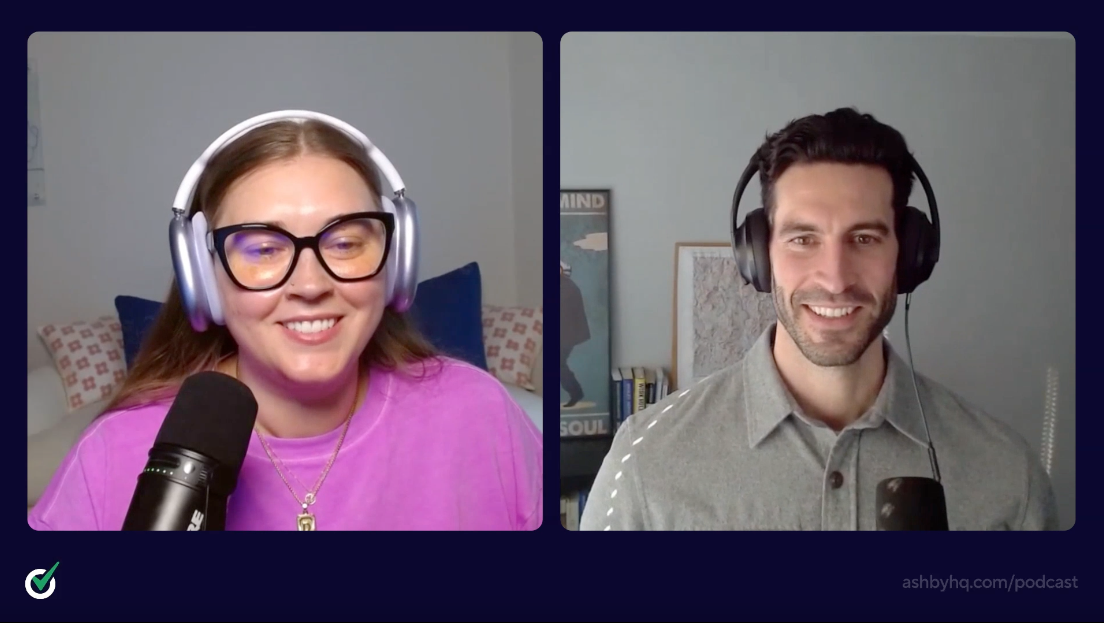
Will's Recruiting Hot Take 🔥
Live interviewing has some serious limitations. Putting people on the spot for 30 to 60 minutes and asking them to recall past experiences with limited context forces us to rely on faulty memories to evaluate them. Candidates can rehearse answers to behavioral questions and make stories sound more polished than they actually were.
Will believes the future of hiring lies in giving candidates the ability to submit richer context through videos, blogs, work samples, and performance reviews. Take-home assignments and assessments allow candidates to demonstrate their thinking in realistic conditions rather than under artificial interview pressure. Large language models and AI can analyze this broader context to understand who someone really is, what motivates them, and what environments they thrive in. This approach removes the constraint of condensing someone's entire professional identity into a two-page resume.
Timestamps
(00:00) Introduction
(00:43) Meet Will Ducey
(02:18) Why traditional metrics don’t reflect recruiter experience
(03:13) What makes recruiter surveys so valuable in RecOps
(04:14) How Ashby runs quarterly recruiter surveys
(06:32) Structuring the survey for actionable feedback
(08:44) Understanding time-use with a 1–4 scale
(10:37) Why acting on survey data matters more than collecting it
(11:59) How Will identifies small process wins
(13:22) Organizing teams for long-term improvements
(14:15) Building trust and consistency through surveys
(16:26) The NPS score that led to a full ATS transformation
(19:10) Comparing tools using internal data
(20:07) Helping recruiters become more confident with data
(21:19) Why alerts are Will’s favorite Ashby feature
(23:57) What hiring excellence means to Will
(26:38) Will’s recruiting hot take on live interviews
(30:12) Advice to his early-career self
(31:32) Where to connect with Will

Other Episodes

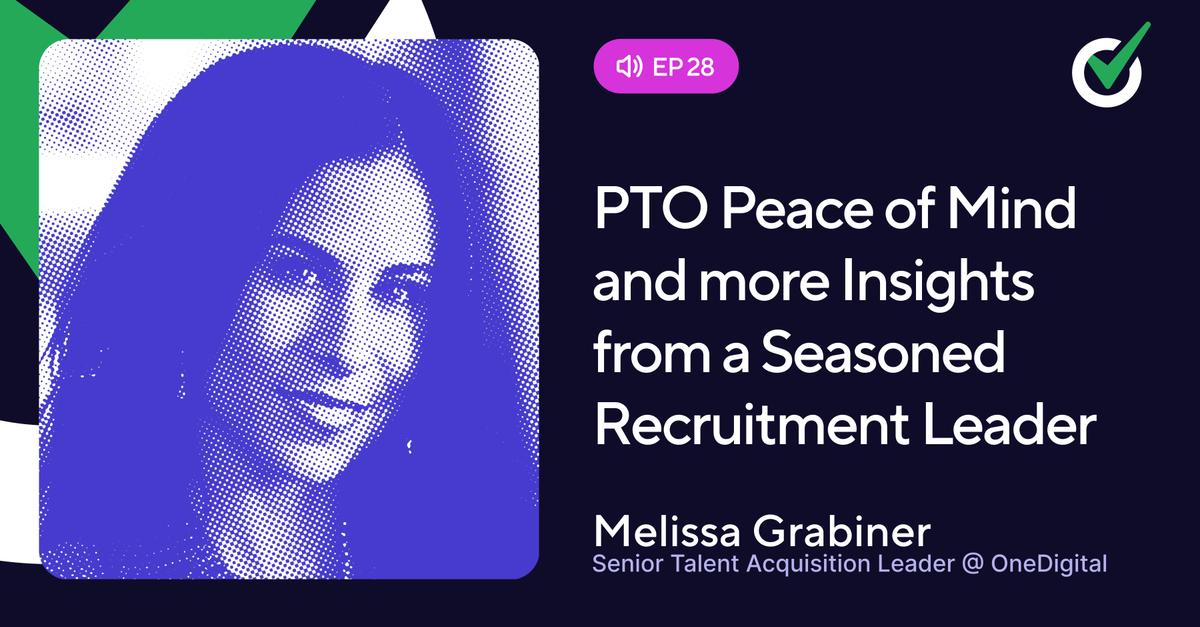
PTO Peace of Mind and more Insights from a Seasoned Recruitment Leader
In this episode of Offer Accepted, Shannon Ogborn talks with Melissa Grabiner, an HR and Talent Acquisition expert. They discuss PTO planning and management strategies to reduce burnout. Melissa highlights the importance of work-life balance, encouraging mental health days, implementing backup systems, and treating employees as equals to foster a supportive and productive work environment.
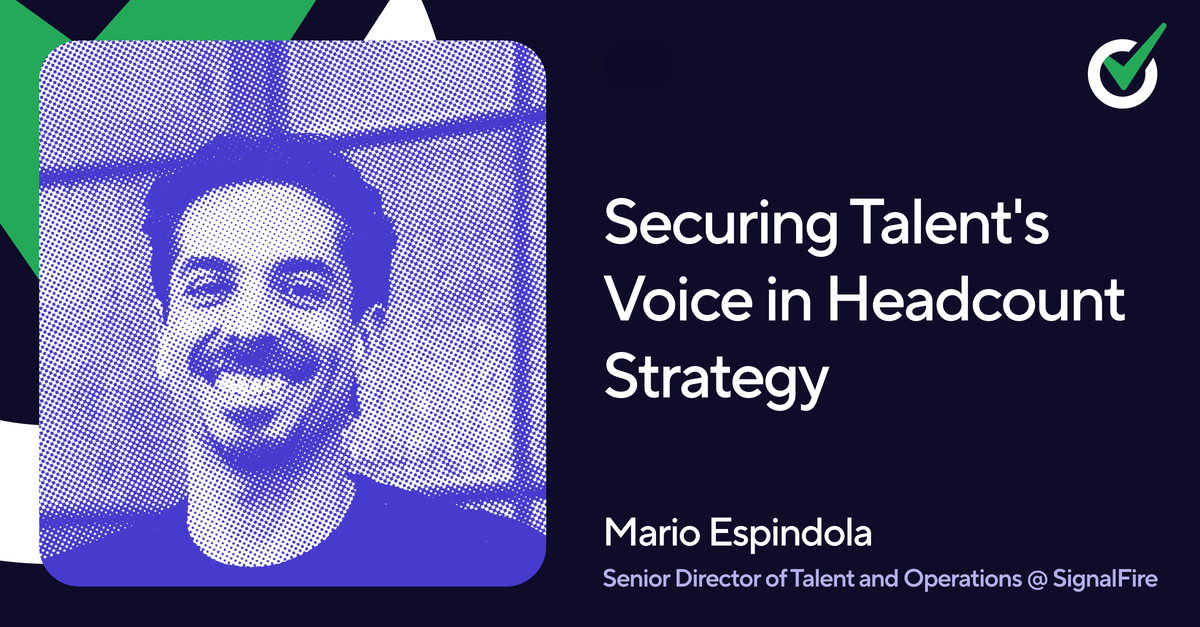
Securing Talent's Voice in Headcount Strategy
In this episode of Offer Accepted, Mario Espindola, Senior Director of Talent and Operations at SignalFire, shares how talent acquisition leaders can secure a seat at the headcount planning table and use it to drive real business outcomes. Shannon and Mario discuss how to bring credibility with data, clarify ownership using RACI frameworks, and connect hiring plans to revenue and growth metrics. Whether you’re leading your first planning cycle or looking to step into a more strategic role, this episode offers tactical advice to shift from execution to influence.

Join the Hiring Excellence movement
New episodes every month - subscribe here so you never miss out.