Building an Ideal Candidate Profile from Zero to Scale
About this Episode
In this episode of Offer Accepted, Maggie Fish, Director of Recruiting at Grafana Labs, unpacks how her team replaced a vague sense of what a great hire looks like with a system built on real data. Hiring managers kept walking into recruiter conversations without a clear picture of what they needed, then getting frustrated when a strong-looking candidate still didn't work out. As Grafana scaled its sales team across the US, Europe, and Australia, that vague sense stopped being good enough, and Maggie's team went looking for a sharper answer in the attrition data, performance reviews, and interview feedback they already had sitting in front of them.
What followed was a full rebuild. Grafana defined an ideal candidate profile grounded in what actually separated top performers from the rest, then reworked its interview process so each conversation tested for one clear attribute instead of everything at once. From there, Maggie and her team turned to AI to make that same rigor available to any hiring manager, letting them work through their thinking on their own time instead of waiting on a recruiter's calendar. The system is still growing, but the early results, including the lowest attrition Grafana has seen since 2023, suggest they're onto something worth paying attention to.
Topics
This Episode's Guest


Maggie Fish
Director, Recruiting @ Grafana Labs
Maggie Fish is Director of Recruiting at Grafana Labs, where she leads a global team of 14 recruiters and coordinators across the US, Europe, and Australia. Over six years at Grafana, she's earned three promotions and back-to-back President's Club wins, and since 2021 her team has helped hire more than 1,100 Grafanistas.
Takeaway 1
Build Your ICP From Data, Not Opinions 📊
When Grafana's sales org started scaling across three continents, Maggie noticed that recruiters and hiring managers were all hiring toward different versions of what a great account executive looked like. Rather than let each person's gut feeling set the bar, her team went back to the data they already had (attrition records, performance reviews, and years of interview feedback) to figure out what actually separated their best performers from everyone else.
Why This Matters:
Without a shared definition, hiring managers tend to default to a simple shortcut, pulling candidates from companies that already hire well and assuming pedigree alone will translate. That habit is easy to fall into and hard to catch, especially once a team is spread across regions and everyone is hiring simultaneously. Grafana's data-first approach broke that pattern by giving every recruiter and hiring manager the same standard to hire against, regardless of where the role or the candidate sat.
Quick Tips
- Compare your top and bottom performers side by side. Grafana dug into attrition data and performance reviews to map what its best account executives consistently did against the patterns showing up in low performers, then used that gap to build its list of critical attributes.
- Bring in outside eyes for the first pass. The team partnered with an outside consultant to interview senior leadership, regional sales directors, and cross-functional partners like solutions engineering, since a neutral party could surface patterns Maggie's team was too close to see on its own.
- Narrow down to attributes you'll actually hire against. Like most teams, Grafana started with a large set of possible traits. To create a better hiring system, they pared the list down to the handful deemed critical, treating everything else as a nice-to-have rather than a hiring requirement.
Takeaway 2
Redesign Interviews Around What You Actually Value 🎯
Having the "right" attributes on paper didn't solve Grafana's problem on its own. Before the rebuild, interviewers were each trying to cover eight different traits in a single conversation, which meant debriefs turned into a confusing mix of scores that didn't let any single factor's signal come through.
Why It Matters:
When one interviewer rates a candidate a three because they're strong on some traits and weak on others, nobody in the room knows what that number is actually telling them. Assigning each interview stage to a single attribute solves that on both ends. Interviewers get to go deep as the subject matter expert on one thing instead of skimming several, and candidates get an interview that feels focused and intentional rather than a scattered set of questions repeated across rounds.
Quick Tips
- Tie each interview stage to one attribute. Each interviewer at Grafana owns a specific trait, like stakeholder enablement or pipeline generation, going deep on questions and follow-ups tied to it.
- Cut stages that aren't earning their place. After rebuilding around key attributes, Grafana trimmed its process from six stages to five, dropping steps that duplicated each other without surfacing anything new about the candidate.
- Make evaluation criteria explicit before the interview starts. Interviewers get a clear brief on exactly what they're evaluating and why, so a "no" comes with a specific reason like a gap in a named attribute rather than a vague sense that something felt off.
Takeaway 3
Turn Your ICP Knowledge Into an AI Hiring Asset 🤖
Grafana's ICP work gave sales a real standard for what a great account executive looks like, but that was only half the picture. Underneath every role-specific profile, Grafana also has a set of company-wide guiding principles, traits like "long-term greedy" and "souls intact" that every Grafanista is expected to carry regardless of their role. Bringing those two things together for every hiring manager, many of whom hadn't thought through either one thoroughly before, meant finding a way to make that process repeatable without a recruiter walking each manager through it by hand.
Why It Matters
Left on their own, most hiring managers show up to a recruiter conversation with a plan that may not align with the reality of the team's needs. That leaves the recruiter untangling assumptions before they can even get to the real thinking, pulling requirements out one question at a time. To close that gap, Grafana built a guiding principles engine, an AI tool that takes a job description or even a hiring manager's raw thoughts on a role and returns the four or five guiding principles that matter most for that hire, along with interview questions built directly around them. A hiring manager who has already run their thinking through that tool shows up with a real starting point instead, and the recruiter's time goes toward sharpening that thinking instead of working it from scratch.
Quick Tips
- Let hiring managers do the thinking asynchronously. Grafana's guiding principles engine lets a manager drop in a job description or even raw thoughts on a role and get back the four or five guiding principles that matter most for that hire, all before ever getting on a call with a recruiter.
- Generate interview questions straight from the principles. The AI tool also produces specific questions tied to each guiding principle, so hiring managers walk into conversations already knowing what to dig into.
- Use AI notetakers to confirm the standard is holding. Grafana checks whether the themes it wants tested for, like long-term greedy or rolling up your sleeves, are actually showing up in interview conversations, since a standard that fades after a few weeks was never really a standard.
What Hiring Excellence Means to Maggie
For Maggie, hiring excellence looks like a hiring manager who walks in already knowing exactly what success means for the role. That confidence means less second-guessing, fewer unnecessary rounds of interviews, and a much better shot at actually closing a strong candidate before they slip away.
Maggie's Recruiting Hot Take 🔥
Maggie's hot take, which centers on AI, is as much a warning as it is encouragement. She believes the recruiters who lean into AI tools now, using them to make their own job easier and improve the experience for hiring managers and candidates, are the ones who will start standing out. The ones who sit back and wait it out risk getting left behind.
Timestamps
(00:00) Introduction
(00:44) Meet Maggie Fish
(02:21) Scaling with intention versus scaling fast
(04:49) Getting every team aligned to one north star
(08:53) Digging into attrition data to define the ideal account executive
(11:43) Rebuilding the interview process around critical attributes
(15:36) Rolling the ideal candidate profile out beyond sales
(16:24) Building the guiding principles engine
(20:32) Roadblocks to watch for when you start this work
(21:48) Zero non-regretted attrition and other early results
(24:02) The vision for an ICP copilot
(28:02) Hiring excellence: hiring managers who know exactly what they need
(31:35) Recruiting hot take: leaning into AI instead of fearing it
(33:46) Early career advice: it is okay to be opinionated
(36:13) Where to connect with Maggie

Other Episodes

How Proactive Talent Pools Keep Hiring on Track
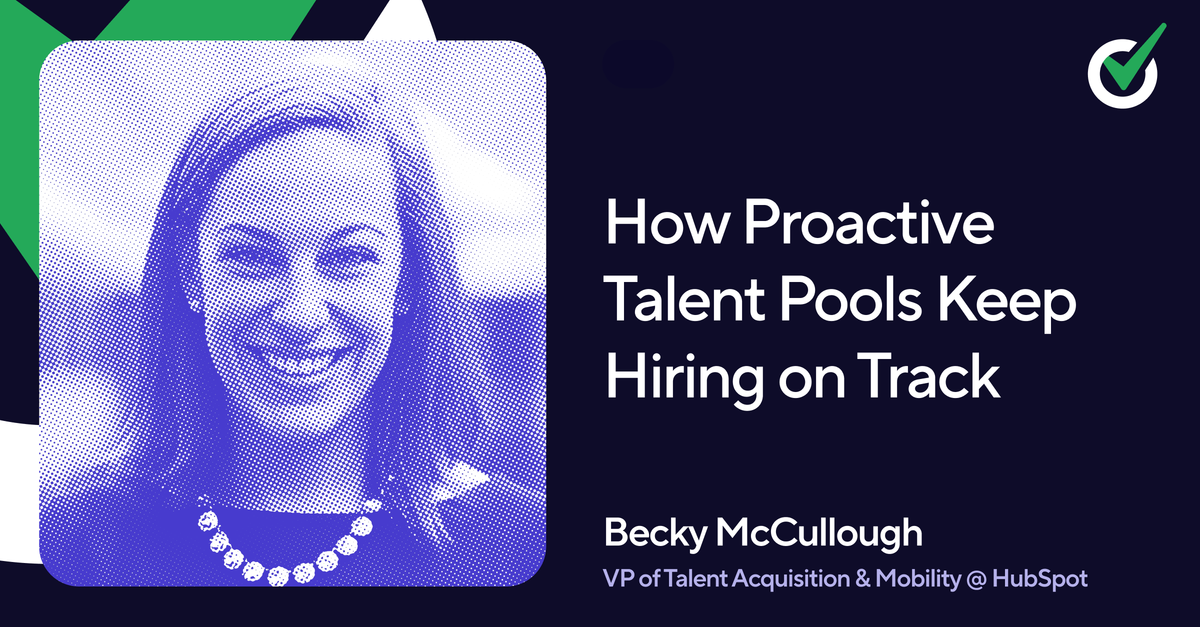
In this episode, Becky McCullough, VP of Talent Acquisition and Mobility at HubSpot, shares how aligning recruitment programs with core business goals has propelled HubSpot’s talent strategy from reactive to proactive. We discuss building proactive talent pools, defining the 'why' behind recruitment initiatives, and fostering transparency to strengthen team alignment and candidate experiences.
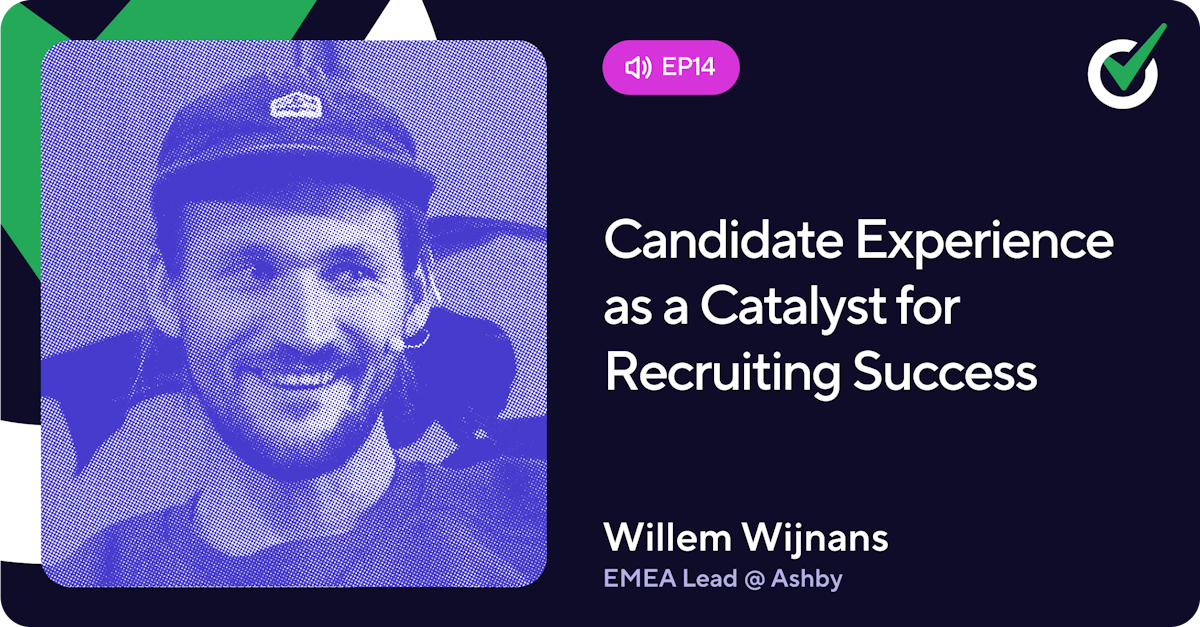
Candidate Experience as a Catalyst for Recruiting Success
In this episode of Offer Accepted, Shannon Ogborn sits down with Willem Wijnans, Ashby’s EMEA Sales Lead. Willem, a veteran in scaling companies and recruiting functions, shares his journey and insights into the world of talent acquisition, particularly around candidate experience.

Join the Hiring Excellence movement
New episodes every month - subscribe here so you never miss out.