Hiring for Durable Skills to Build Teams That Last
About this Episode
In this episode, Veronica Salcido, who leads talent and L&D at Growth Assistant, breaks down how her team uncovered what was actually driving hires to fail, a factor far removed from hard skills. Drawing on data from client feedback, ATS records, and a similar framework she had built earlier at Multiverse, Veronica explains how she and her team identified the durable skills that predict success far better than technical scorecards, and how they built those skills into onboarding, coaching, and performance reviews instead of leaving them in the hiring process alone.
The episode gets into how Veronica built a 90-day retention metric into her recruiters' KPIs, how she won over a skeptical team and leadership, and the results her team has seen since, including a sustained drop in attrition.
Topics


Takeaway 1
Spot the Skills Most Teams Overlook 🔍
Rather than starting from a hunch, Veronica went looking for proof. She connected client feedback with ATS and HRIS records, the same zoomed-out approach she'd used at Multiverse, to see which of Growth Assistant's placements were actually working out and why. The pattern that emerged didn't match the assumption she started with.
Why This Matters:
"Hard" skills are the easiest to measure, which is exactly why most hiring processes lean on them. What Veronica found was that over 80% of why a hire did or didn't work out traced back to something softer, or in her words, durable. That gap between what gets measured and what actually predicts success is where a lot of hiring effort gets spent without much to show for it.
Quick Tips
- Pull at least a year of outcome data before drawing conclusions. Veronica used 12 months of client feedback tied to each hire to separate a real pattern from a handful of recent misses.
- Don't copy and paste a framework from your last company. Veronica had already built a similar durable skills model at Multiverse, but rather than importing that framework wholesale, she ran Growth Assistant's numbers fresh. It surfaced its own set of durable skills: character, communication, growth mindset, and critical thinking.
- Weigh skills by how long they hold their value. Veronica separates tool skills, which she calls perishable, from durable skills like critical thinking that keep paying off well past the tools changing. When evaluating a candidate, give more weight to the skills that will still matter years from now.
Takeaway 2
Build the New Framework Into Every Stage 🔄
Veronica knew that naming the four durable skills wasn't going to be enough on its own to create real change. Alongside rebuilding how Growth Assistant hires, she built character, communication, growth mindset, and critical thinking into coaching, training, and performance reviews. Six months after rolling the framework out, retention was up 10%. Eighteen months in, monthly attrition has held below 20%, down from the 50% churn she'd inherited.
Why It Matters:
Connecting all three creates a strong feedback loop, and it's part of why the results held past the first few months instead of fading once the initial rollout excitement wore off. Most companies treat hiring, onboarding, and performance management as three separate systems that rarely talk to each other, which means a candidate can be assessed on one set of skills and then never coached or reviewed against them again. Growth Assistant closed that gap by using the same four skills everywhere in the journey.
Quick Tips
- Introduce the same skills before day one starts. Growth Assistant now walks new hires through the four durable skills during onboarding, so nobody spends their first weeks guessing what they're actually being measured against.
- Give coaching conversations a clear starting point. As an organization, a top priority is ongoing coaching for the talent it places with clients. They utilize AI to prep for those sessions using performance data so each can focus on the durable skills needing work rather than assuming everyone needs the same training inputs.
- Make the same skills the basis for pay decisions. Growth Assistant rebuilt its annual performance reviews around the same four skills, so what's expected, what's developed, and what's rewarded all point to the same standard.
Takeaway 3
Recruiters Should Own the Hire's Outcome 🎯
Most recruiters never find out what happens to the people they place. Once an offer is signed, tracking the outcome typically becomes the hiring manager's job, and recruiters move on to the next req. Veronica built her team's incentives around closing that gap instead, tying real accountability to what happens well after someone signs.
Why It Matters:
The person who spent the most time vetting and building rapport with a candidate usually has the least insight into whether the process actually predicted job performance. Closing that feedback loop shifts what recruiters are optimizing for. This helps bring the function away from simply filling a seat and toward whether the hire actually sticks around and succeeds.
Quick Tips
- Make Quality of Hire a real percentage of a recruiter's scorecard, not a footnote. At Growth Assistant, 90-day Quality of Hire makes up half of a recruiter's KPI, carrying the same weight as a more familiar metric like time to fill.
- Expect pushback and name it directly. When Veronica first tied recruiter metrics to quality of hire at her past company, Multiverse, her team pushed back. They argued they didn't have enough control over a hire's success to be judged on it. Naming that resistance head on, rather than avoiding it, is part of what got her team to come around both times.
- Give recruiters a reason to track outcomes beyond avoiding blame. Veronica still follows the career paths of people she hired years ago, including someone she brought on as an intern who now runs a global team. Building in a way to see those wins, not just get flagged for the misses, makes 90-day accountability feel like something worth leaning into rather than a number hanging over recruiters.
What Hiring Excellence Means to Veronica
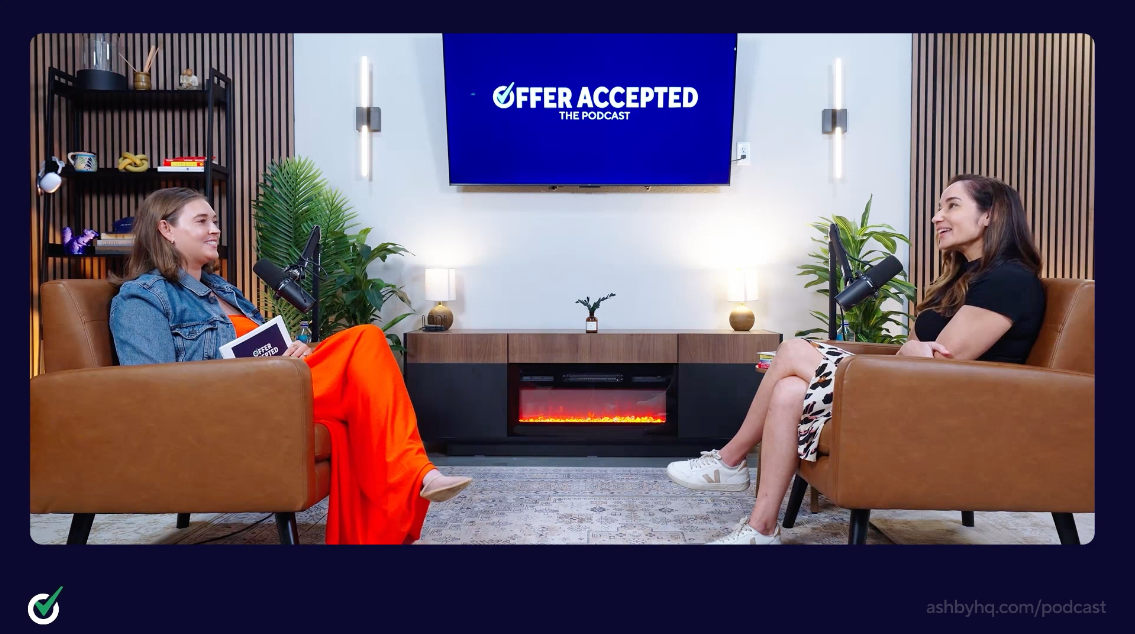
For Veronica, hiring excellence comes down to one thing, nailing quality of hire. As she puts it, the job doesn't end at the offer, it ends when you can prove the hire actually delivered what you brought them in to do.
Watch the clip >>>
Veronica's Recruiting Hot Take 🔥
Durable skills are only going to matter more as AI closes the gap on tool skills and technical knowledge. Veronica's view is that the value shifts toward what robots can't do, judgment, communication, and the ability to direct the work itself. She's also direct about the resistance that comes with holding recruiters accountable to outcomes, and her take is that recruiters who don't make that shift will find themselves out of the game.
Timestamps
(00:00) Introduction
(00:48) Meet Veronica Salcido
(02:01) Why operational rigor matters more than ever
(04:22) Inside the GrowthAssistant model
(08:07) Inheriting speed and volume without quality
(09:55) Tracing 50 percent churn back to durable skills
(13:37) Naming the four durable skills framework
(17:52) Connecting the through line from hire to retention
(19:34) Tying 90 day quality of hire to recruiter KPIs
(24:12) Why shared accountability changes the recruiter's role
(30:09) The results after 6 months and 18 months
(36:40) Hiring excellence: Quality of hire that does not stop at the offer
(38:20) Recruiting hot take: Why durable skills matter more because of AI
(42:43) Early career advice: Curiosity over trying to sound smart
(50:32) Where to connect with Veronica

Other Episodes

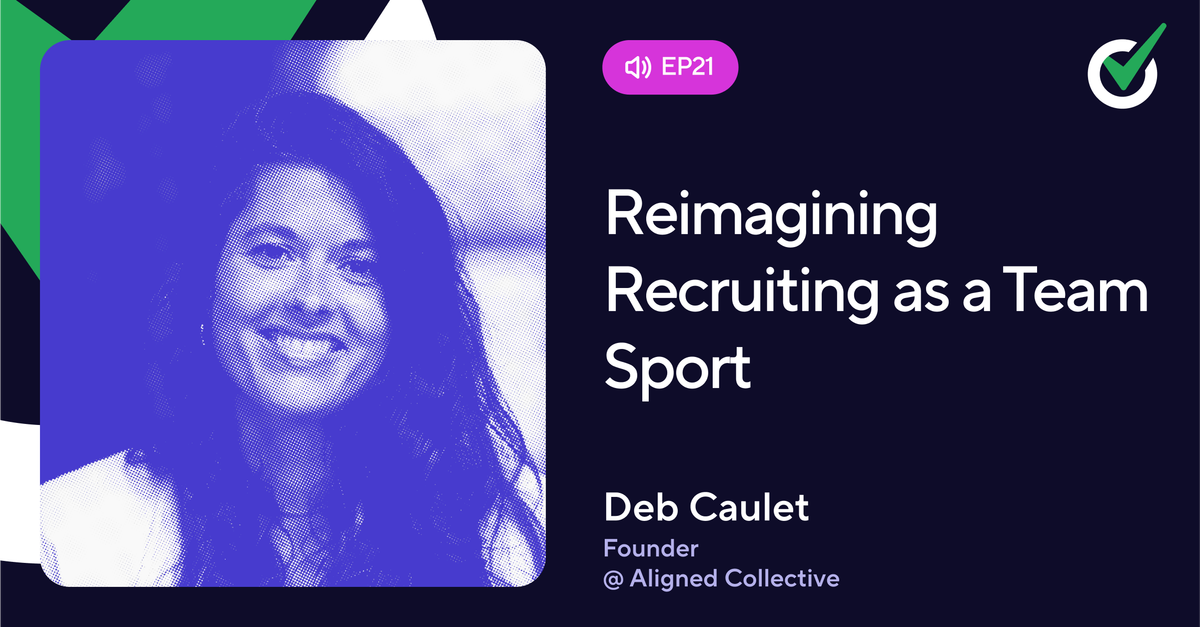
Reimagining Recruiting as a Team Sport
In this episode of Offer Accepted, Shannon Ogborn sits down with Deb Caulet, Founder of Aligned Collective. The conversation focuses on the RecOps model of Decentralized Autonomous Hiring (DAH) that Deb pioneered while at Blinkist.
Unlocking Recruiting Team Productivity
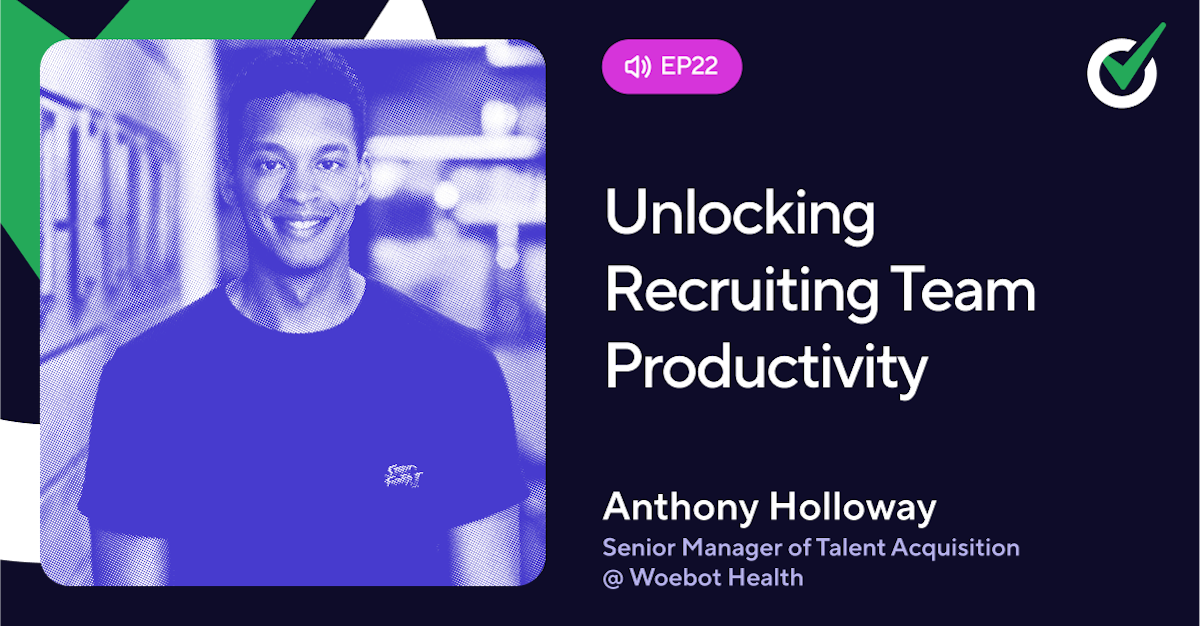
In this episode of Offer Accepted, Shannon Ogborn sits down with Anthony Holloway, Senior Manager of TA at Woebot Health. The conversation focuses on how to increase productivity amongst your recruiting team while reducing burnout.

Join the Hiring Excellence movement
New episodes every month - subscribe here so you never miss out.